How to transfer a suspected drug allergy to a clinic in Bali
When a form asks about allergies after a reaction to a pen, the timing, symptoms and product details help the next clinician interpret what happened.
Imagine being asked the same question in three different ways: a hotel clinic asks for allergies, a previous practice writes “intolerance,” and your own note simply says “felt ill after the pen.” They are three descriptions of one experience with different levels of certainty. Changing the wording to the strongest label can obscure a real question, especially when the next consultation in Canggu is conducted in a second language.
Describe the event in the order it occurred
Use ordinary words first. Record which symptoms you observed, when they started relative to the product, how long they lasted and what care you received. If another product was used at about the same time, keep it in the timeline. A photograph of a skin finding can preserve its appearance, but the pattern and cause still need clinical assessment.
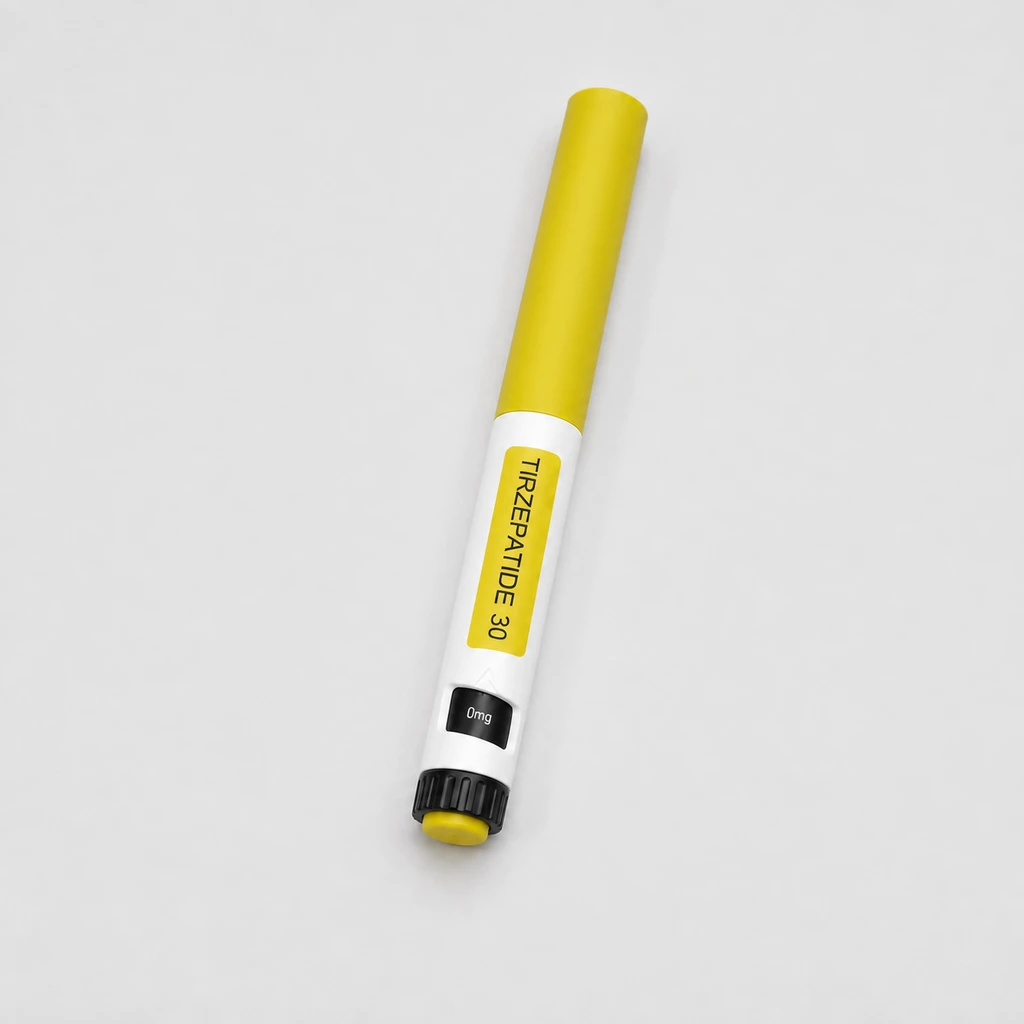
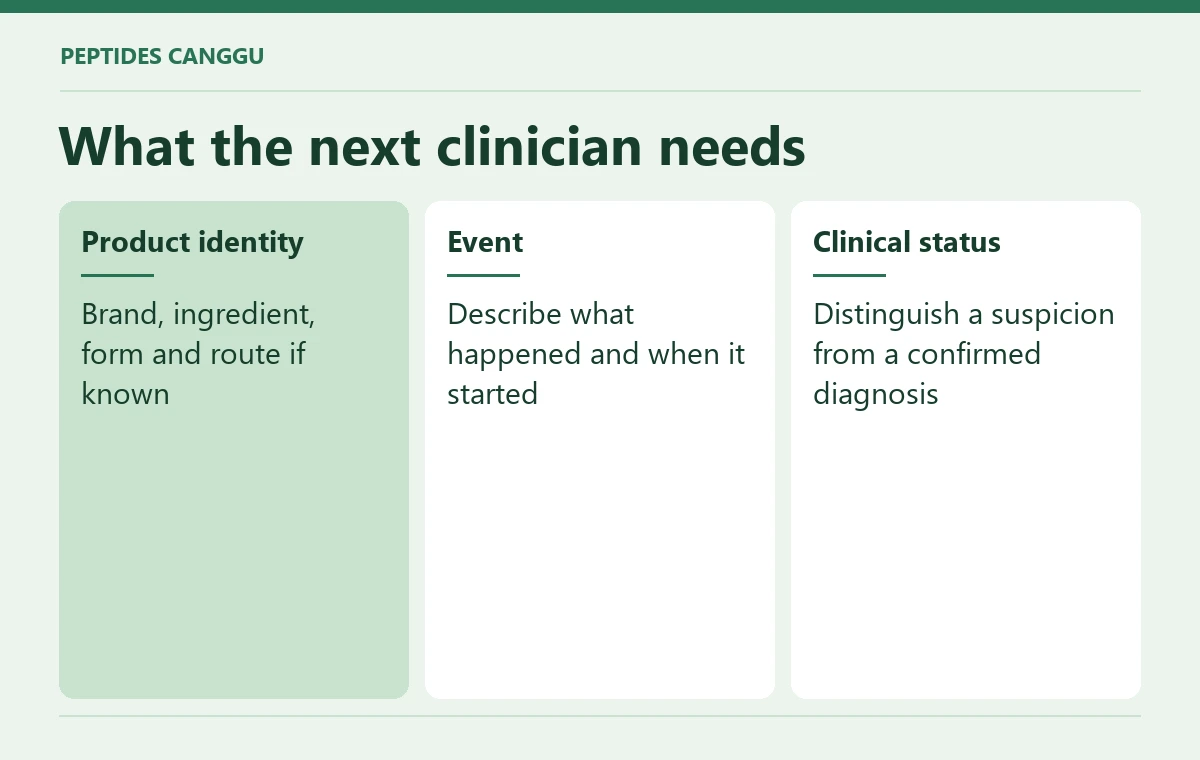
Write down the exact product name, active ingredient if known, formulation and route. A reaction around a dressing and a symptom occurring after a medicine are distinct observations even if they happened on the same day. If the identity of the product is uncertain, say that. Keep the carton photograph with the notes instead of relying on the colour of a pen cap.
Preserve the clinician's degree of certainty
The NICE drug allergy guideline recommends a structured description when an allergy is suspected and distinguishes documented drug allergies from other adverse reactions. A note copied out of a messaging app can lose that distinction. “The doctor suspected an allergy” conveys something different from “an allergy specialist confirmed the cause.” A person who has never been assessed does not need to choose between those statements.
At your Bali appointment, ask where the suspected reaction and any confirmed allergy will appear on the new record. If different clinicians disagree about the classification, ask which documents the next practice should receive. Do not test the suspected product yourself to settle a paperwork discrepancy.
Take a handover note you can actually use
A useful note fits on one page. Put the event date and exact product at the top, followed by the timeline and the source of any diagnosis. Keep a copy of the original report. If there is active difficulty breathing, throat swelling or collapse, seek emergency care immediately. The record-transfer steps are for the later conversation once immediate care has been addressed.