What 40 or 80 minutes means on a sunscreen used in Canggu
A water-resistance time describes a labelled sunscreen's performance under specified testing conditions.

A water-resistance time describes a labelled sunscreen's performance under specified testing conditions. It is not the length of time a person can safely remain in the sun or a guarantee after towelling.
Water resistance and the instruction to reapply
The AAD explains the forty- and eighty-minute water-resistance labels and advises reapplication after swimming or sweating according to directions. The SPF number and the water-resistance time describe different aspects of protection. American Academy of Dermatology sunscreen label guide American Academy of Dermatology on applying sunscreen
The label's water-resistance wording is attached to a particular sunscreen as tested. A time written on the packet should be read alongside directions telling the user when to reapply following swimming, sweating or drying with a towel. Checking only the clock overlooks ways the material can be removed from the skin. A patch of product streaking after a towel is not evidence that the remainder of the skin still has uniform coverage.
One set of directions belongs to one product
Imagine a morning on a shaded terrace in Canggu and another of similar length spent surfing off the same beach, with repeated immersion and towelling. The same clock time does not recreate the same exposure or amount of product left on the skin. A developing tan supplies no equivalent reapplication information.
A face sunscreen and a different product used on shoulders might share the same SPF yet carry different directions for water exposure. When packing for a morning at the beach, check both containers. The point of reading the labels is to identify what protection each product actually states, not to calculate a personalised safe time in the sun. Plan for shade and protective clothing as well, including periods between surf sessions when the skin still receives daylight. If skin is irritated or sunburned, a clinician can assess the problem independently of the claims printed on the original products.
The question for the next appointment
Water resistance also belongs to the finished formulation whose label you are reading. Transferring another brand's directions because the SPF happens to match removes an important part of the information. If a small travel container has lost the label, retrieve the original package before relying on a water-resistance time or a particular reapplication instruction.
A dry shirt put on after swimming may rub particular areas while leaving others untouched. Record what the directions say about towelling and reapplication, rather than estimating protection from the shirt's appearance.
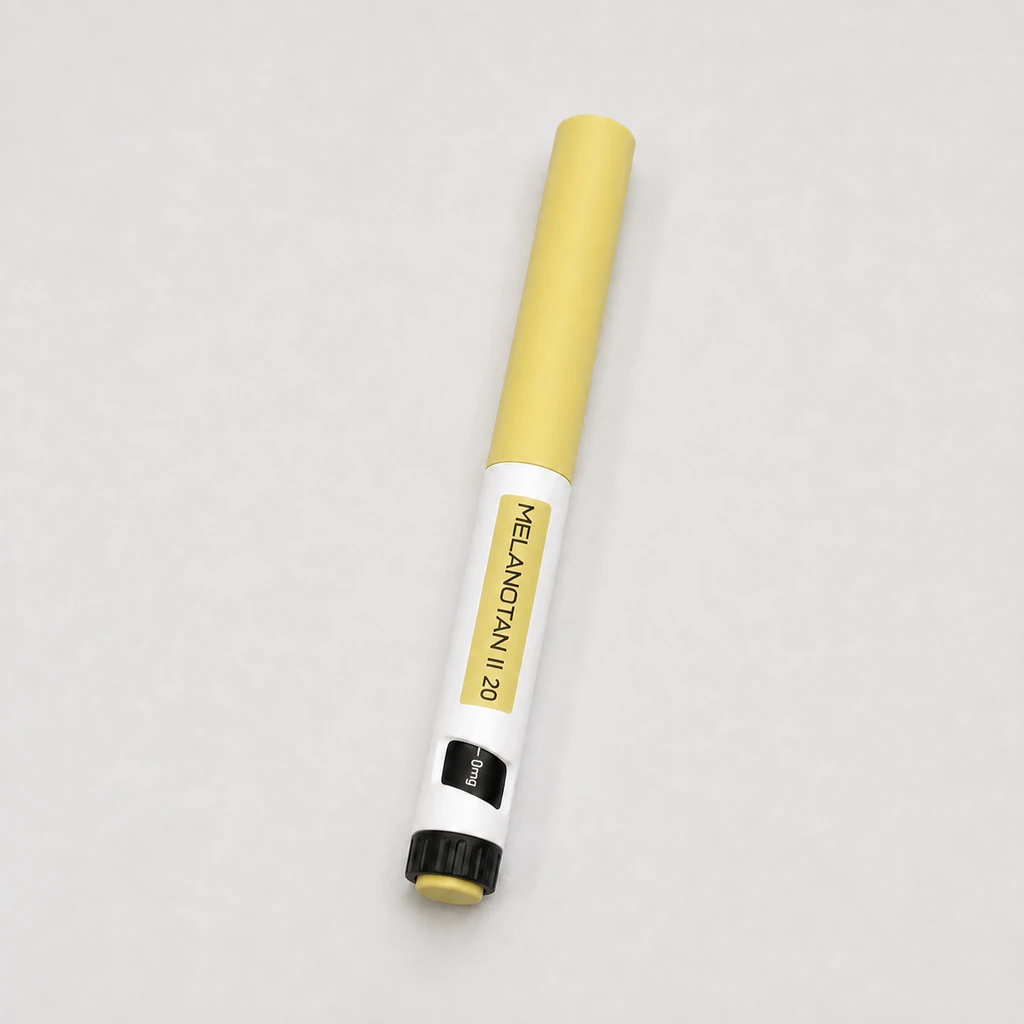
Read the full directions before a session, including the timing of application and reapplication. Use protective clothing and shade as well. A tanning peptide label cannot take the place of a tested sunscreen claim.