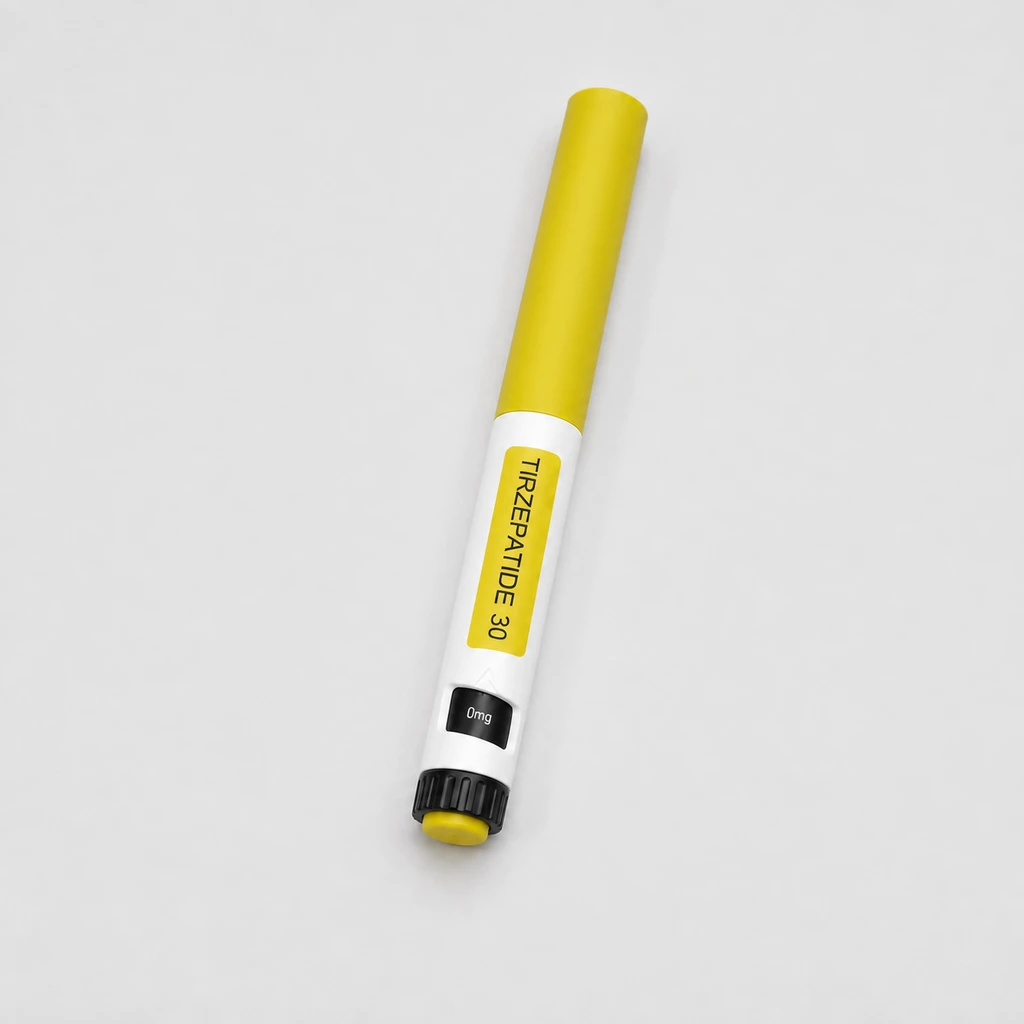
A watery sample and a low stool elastase result in Bali
Stool elastase estimates pancreatic enzyme output.
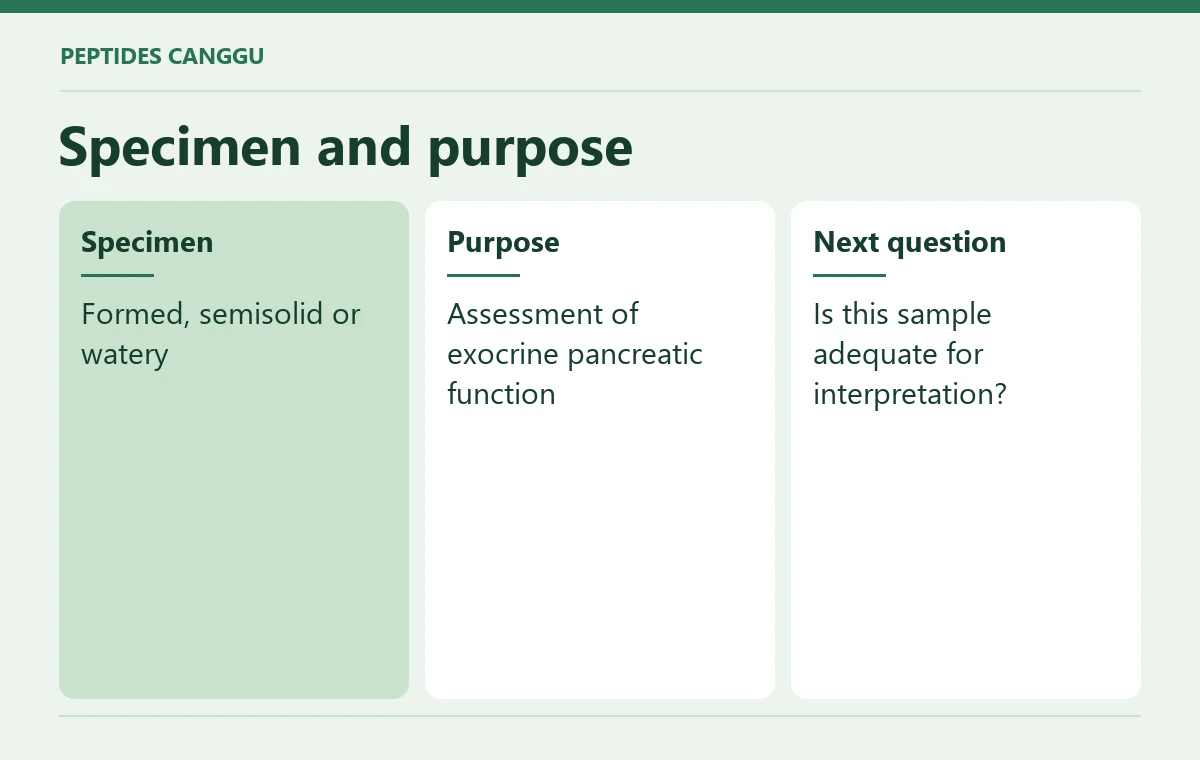
Stool elastase estimates pancreatic enzyme output. A watery specimen can dilute the measurement. Before attaching a low result to a diagnosis, check the condition of the sample the laboratory received.
The role of the submitted specimen
MedlinePlus explains that a formed or semisolid stool specimen is needed for this test. It is used in the assessment of exocrine pancreatic insufficiency, a different question from evaluating acute abdominal pain or interpreting a single blood enzyme. MedlinePlus on stool elastase
Consider what happens when an enzyme concentration is measured in stool containing a great deal of water. The laboratory receives a material with a different composition from the specimen for which interpretation is intended. The difference matters even if the container was clean and delivered on time. A note stating merely that the sample was collected at home does not communicate its condition. Describe whether it was formed, semisolid or watery, and ask whether the laboratory noted that feature when it released the result.
Do not substitute a different pancreatic question
After a brief diarrhoeal illness in Canggu, a low number arrives by WhatsApp without a specimen comment. A previous report assumed normal stool consistency. Retrieve the full report and tell the clinician which sample was watery. The change in consistency is relevant even when the units match.
Exocrine function concerns the delivery of digestive enzymes. Acute pain after a meal, a blood lipase value and the interpretation of a low stool elastase each prompt a different clinical assessment. A person can bring all three observations to the same appointment, but they should not be collapsed into one diagnosis. The specimen question is narrow and answerable even when the cause of symptoms is still uncertain.
The question for the next appointment
The number printed on the report expresses a concentration in the submitted material. Think of the difference between adding water to a sample and producing less enzyme. Either can lower a concentration, yet only the second proposition describes the function under investigation. The numbers alone do not separate these possibilities. There is also a difference between poor specimen quality and a clerical mistake. A laboratory may have measured the contents of the received sample accurately while the clinician still considers the sample unsuitable for this diagnostic question. If an acceptable follow-up sample is requested, retain the first report with its specimen comment. Do not replace its date with that of the repeat or average the results together.
Ask whether the result is interpretable and which symptoms or prior conditions matter for further assessment. Persistent severe abdominal pain or serious dehydration needs prompt clinical evaluation on its own merits.