Salt marks after a Canggu run: what can your shirt actually tell you?
A white tide mark records drying sweat. A marathon field study shows why gauging sodium loss takes more than a shirt or a reading on the scales.
After a morning run in Canggu, a white line sometimes appears at the edge of a dark shirt as it dries. Two friends can finish the same loop with equally wet clothes and strikingly different marks. It is tempting to treat the brighter stain as a measurement and buy a stronger electrolyte drink. A more informative question comes first. How much sweat did each runner produce, and how much sodium did each litre contain?
A white ring has no measuring scale
Picture a small wet patch repeatedly drying at the collar while the back of the shirt stays damp. Fabric, sweat distribution and the time you take to change alter the pattern you see. A garment worn after a swim in the sea introduces another obvious source of salt. Even with a freshly washed shirt and a route entirely on land, the residue gives you neither a volume in litres nor a concentration in millimoles per litre.
The distinction matters in everyday comparisons. Someone running for twice as long can leave more total residue with the very same concentration. Conversely, the same volume of sweat from two runners can carry different amounts of sodium. A photograph alone cannot resolve either comparison.
What researchers collected at a marathon
In a field study of 157 marathon runners, investigators measured electrolytes in sweat collected during the race. Thirty-one runners exceeded the study's high-concentration threshold of 60 millimoles of sodium per litre. Concentration showed no significant correlation with the rate at which runners sweated. The study describes runners at a particular marathon. Its group proportions cannot assign a new runner in Bali to a category.
Look at the unit before comparing numbers in sports articles. A value given per litre describes the composition of a sample. A value given per hour combines that concentration with a flow rate. To estimate a total for the outing, you also need the duration. A bathroom scale on its own cannot supply the missing chemistry.
What to jot down after the next run
For a useful training note, record the route, start time, duration, effort and whether you stopped for drinks or a swim. Add what prompted the question: a collar mark, a change in how the run felt, or an unexpectedly large change in weight. A comparison between similar outings is easier to discuss with a sports dietitian than photos taken under different conditions. Individual fluid or sodium targets require more context than a fabric stain.
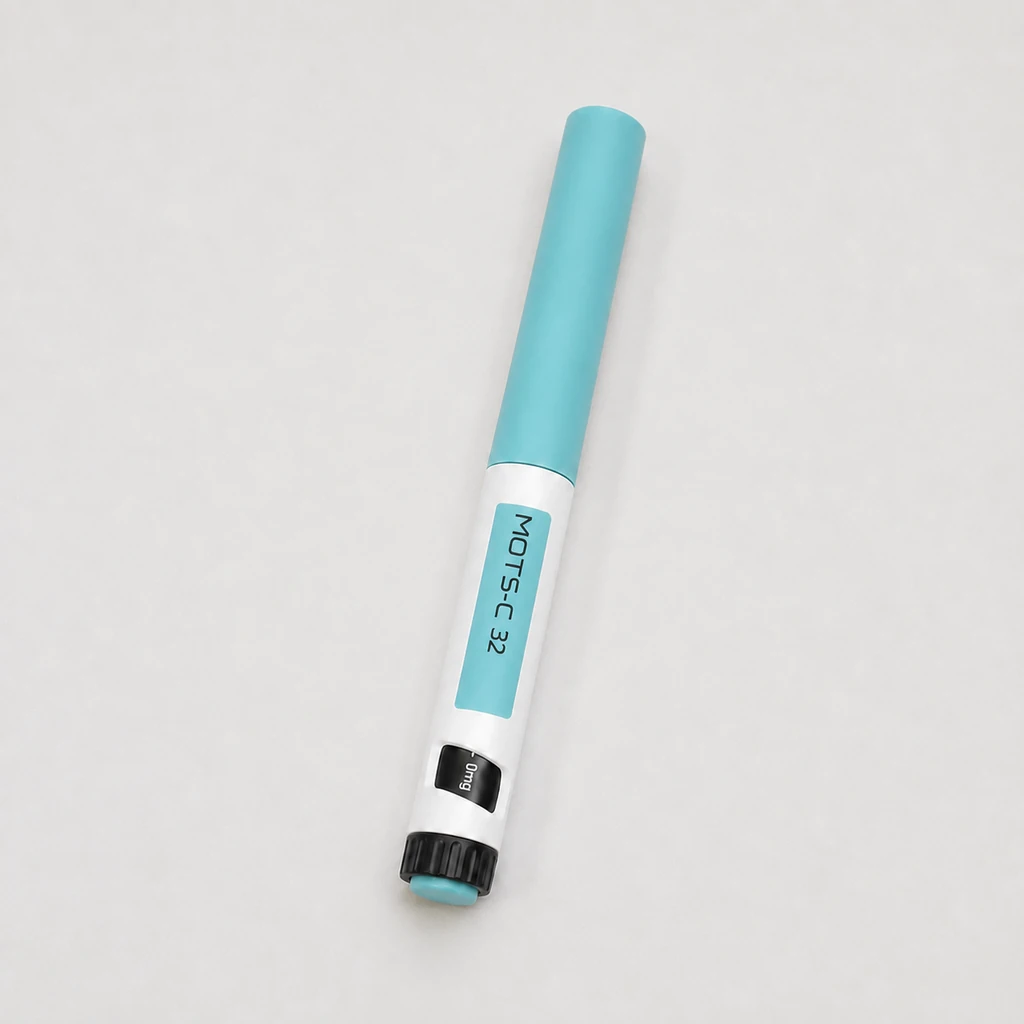
Reading about exercise metabolism? The MOTS-c entry identifies the compound discussed elsewhere in this journal. The marathon study measured sweat composition; it did not test a peptide or an electrolyte product.