Canggu UV forecasts: how to read the daily peak and the hourly UV Index
Read daily maximum and hourly UV information correctly in Canggu. Use the time label to plan protection rather than treating a tan as a forecast or SPF rating.

A daily maximum UV Index and an hourly reading are not the same time label. When planning a Canggu day, check what the number on your weather screen represents before using it to guide protection.
Keep the time attached to the value
The WHO UV Index explanation describes the daily maximum commonly reported in forecasts and the variation through the day. A maximum summarizes the day's peak hazard; it does not mean every hour has exactly that value.
Conversely, a lower reading at one moment should not be copied into a plan for a different time. If an outing spans several hours, look at the relevant period rather than only the number seen when leaving the villa.
Make the plan match the activity
Note where you will be, when the activity takes place and where protective measures are available. A short walk to a café and an extended exposed outing create different planning tasks, even if both begin at the same time.
This article gives no live UV forecast for Canggu. Check current local information and use protective measures appropriate to the conditions. WHO recommends protection at UV Index 3 and above; the sunscreen guidance also places sunscreen alongside other protection rather than as permission to extend exposure.
A tan is a different observation
The TGA's melanotan advice states that artificial pigmentation does not replace suitable sunscreen protection. Skin colour cannot tell you the UV Index for the next hour, nor supply a tested SPF number.
A daily maximum is a point on a curve
If a weather app gives a projected daily maximum and a separate hourly table, the maximum describes the highest expected part of the day. It does not promise that conditions will be constant from breakfast to sunset. Check that the forecast is for your location and that the times match Bali local time, particularly if you use a phone that still displays a different time zone.
Consider a morning surf session in Canggu followed by lunch outdoors. The hour at which you start is relevant, but so is the hour at which you finish. Looking only at the first row of an hourly forecast misses the exposure later in the session. A current reading and a predicted value for tomorrow are different kinds of information as well. Keep the forecast date visible if you share it.
Use the UV number alongside your actual setting
| Part of the day | More useful detail than “sunny” |
|---|---|
| Walking to the beach | Time in the open, available shade and protective clothing |
| Surfing or swimming | Time outside and the label directions for water-resistant sunscreen |
| Sitting under a roof | Whether skin is still exposed to scattered or reflected UV |
| Returning in the afternoon | The updated hourly forecast and your remaining time outdoors |
The World Health Organization recommends protection when the UV Index reaches three. Use a combination of shade, clothing, a hat or suitable eye protection, and broad-spectrum sunscreen on exposed skin. Follow the manufacturer's directions after swimming. These measures address the actual exposure rather than trying to infer protection from how cool the air feels.
What the colour of skin can tell you
Skin colour and the UV Index are not readings from the same instrument. A darker appearance is not evidence of adequate protection for a longer session. A tanning-product advertisement does not establish that someone is protected from ultraviolet injury. The TGA's notice on melanotan products is a separate source for the health concerns around those products.
For a visiting family or a group of surfers, a useful shared message is short: where you are going, when you expect to be outside, and what opportunities there are for shade and reapplication. It is more actionable than forwarding a cropped daily UV number without the time or place.
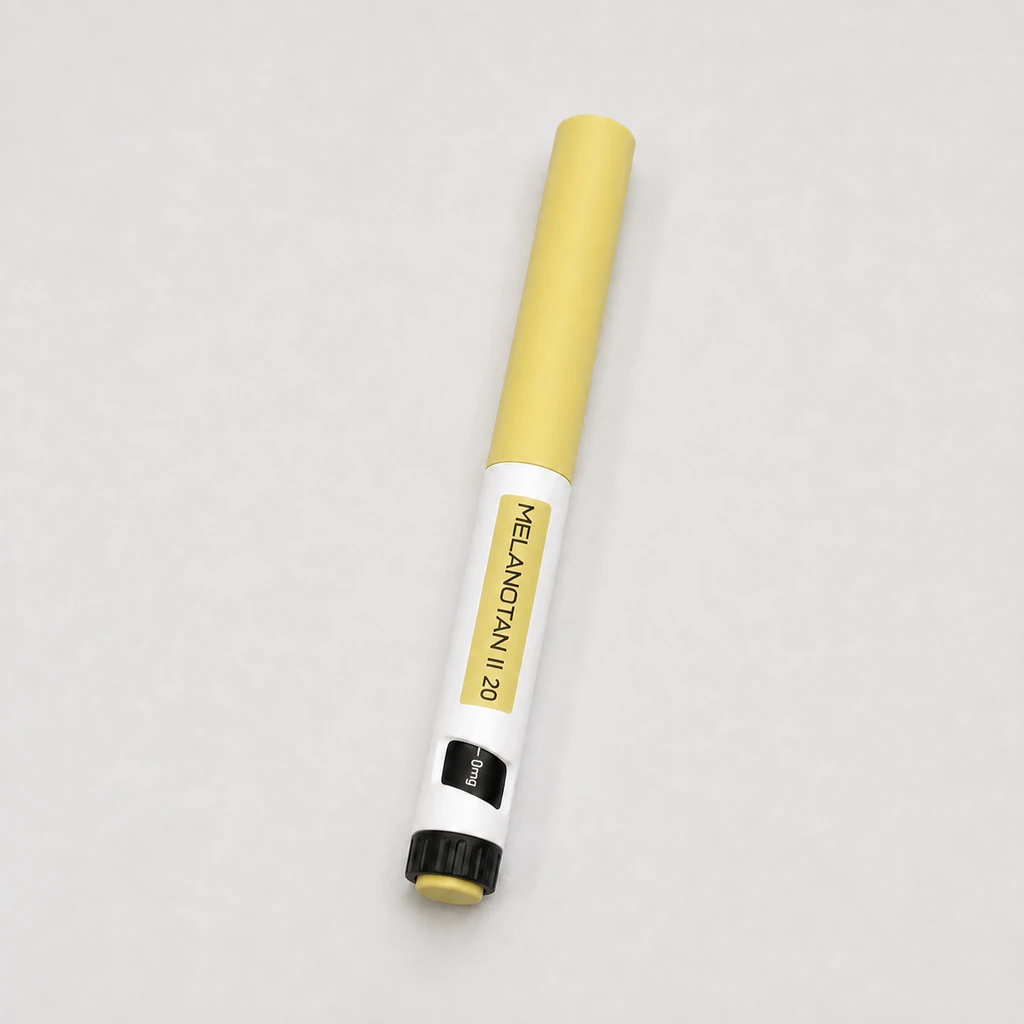
The Melanotan II listing provides product identity, while the journal explains terms. Keep the weather value, its time label and the sunscreen's instructions together when making an outdoor plan. Those details are more useful than assuming a daily maximum, an hourly observation and a tanning effect all describe the same thing.
What if my phone forecast is still set to another place?
Read the location line and the time zone on the chart. Bali uses Central Indonesia Time, so an hourly graph for a previous destination can put the peak at a misleading point in your plan. Update the location before using the graph to organise outdoor activity or forwarding it to someone else.