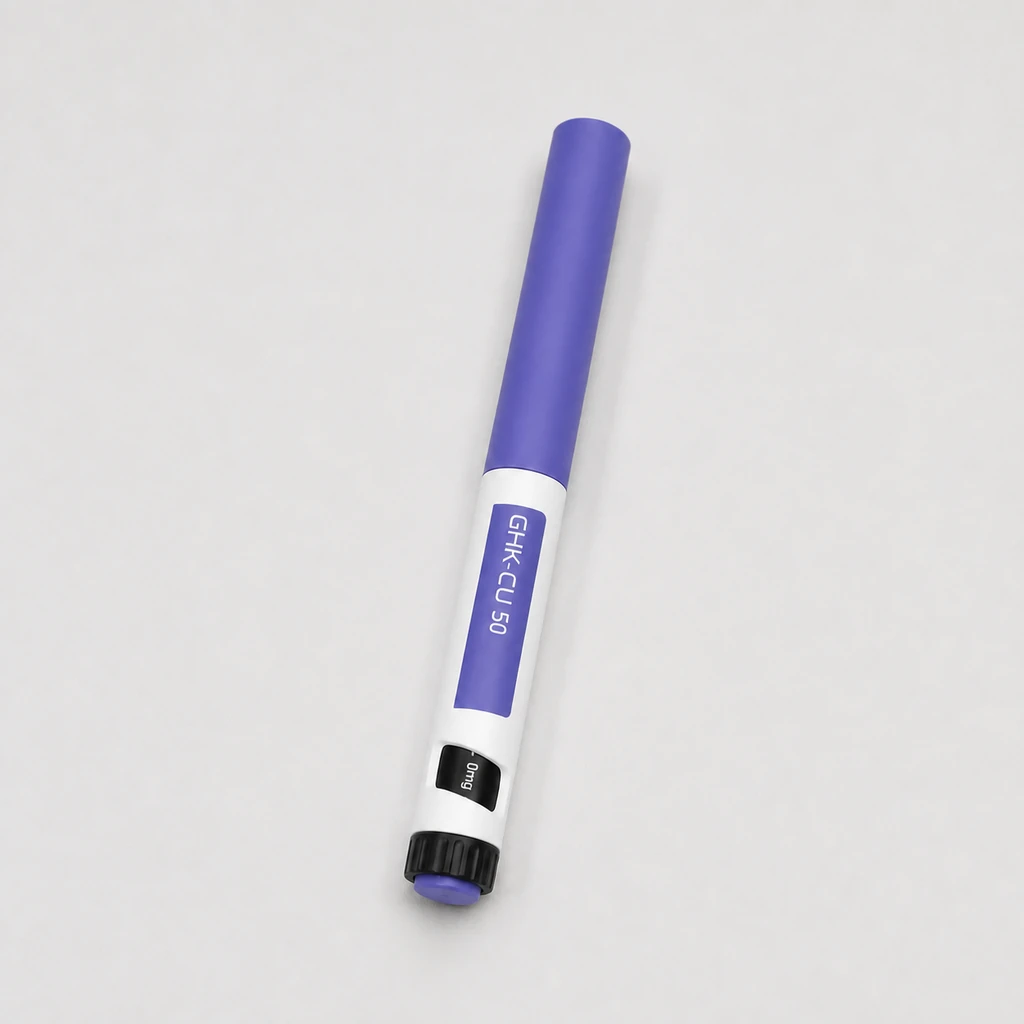
GHK-Cu, tranexamic acid and melasma: taking comparable skin photos in Canggu
Create a useful skin record in Canggu when reading about GHK-Cu and tranexamic acid. Keep lighting, the concern and product changes clear without inventing results.
A useful skincare record compares the same concern under reasonably similar viewing conditions. If you are reading about GHK-Cu and tranexamic acid in Canggu, make the record informative before asking whether an ingredient caused a change.
Describe what you are watching
Write down whether your question concerns a dark patch, texture, dryness or another feature. The AAD melasma guide explains why diagnosis matters for pigmentation concerns. A record can help a consultation, but it cannot diagnose a patch from its colour alone.
For photographs, choose a similar location, camera position and lighting. Record the date and avoid filters. A brighter image may look like a lighter patch even when the comparison mainly reflects the photograph. These are practical recording suggestions, not a validated medical scoring system.
Keep the product history visible
Add the names and dates of any changed products. If several things change together, the record cannot isolate one ingredient's contribution. It can still show a clinician what happened and when, without overstating why it happened.
Research outcomes should remain labelled too. The tranexamic-acid study examined melasma, while the GHK-Cu study concerned post-laser skin. Their photographs, assessments and participant groups should not be combined into an informal contest between ingredients.
Bring the record to the right conversation
During a Canggu stay, a short timeline is easier to discuss than several undated “before and after” images from different rooms. Note symptoms and any procedure as well as product names. A concerning or changing patch needs an appropriate skin assessment rather than an online comparison exercise.
Give the photographs consistent conditions
If a dermatologist asks you to track a patch, agree on the area and the change they want to see. Use the same room, lighting direction, camera, distance and angle when practical. Disable beauty filters and save the original file. A new phone's automatic exposure is capable of changing the apparent contrast between a patch and the surrounding skin even when the skin itself has barely changed.
Keep a wide view that shows the location and a closer image that shows the same area each time. A close-up without landmarks can make it hard to tell whether two photographs show the same side of the face. Avoid posting identifiable clinical images publicly. The person reviewing the change needs the original comparisons rather than a collage sharpened for social media.
Add a record of what changed between pictures
| Field | Useful entry |
|---|---|
| Date and setting | Same indoor window, time window or consistent lighting arrangement |
| Product used | Full name, route and the date of any change |
| Target observation | Edge of a patch, overall colour or a separate texture concern |
| Other changes | Recent procedures, irritation or a change in sun exposure worth discussing |
The AAD's guidance on melasma explains why sun protection is relevant to management. A sequence of photos taken during a beach holiday may coincide with a very different exposure pattern from the preceding month. Record that change instead of assigning every visible difference to a single product.
A photo diary cannot isolate a treatment effect
Imagine changing both sunscreen and a topical product in the same week and then comparing a bright outdoor photo with a softer indoor one. Several explanations for the visual difference remain. The diary can help a dermatologist ask better questions. It cannot establish which change caused the appearance or whether the diagnosis was correct.
A clinical comparison of tranexamic acid formulations identified the treatment arms and the skin condition being studied. A GHK-Cu experiment may instead measure a cell response. Keep the source, route and outcome attached whenever you cite a change.
For a visit in Canggu, bring a few well-matched photographs and the original labels of products actually used. Tell the clinician about new or changing lesions directly rather than relying on a home photo sequence to make a diagnosis.
The GHK-Cu listing describes the catalogue item, not the cause of changes in your photographs. Use the journal for background and take the record to a dermatologist if the question is diagnosis or treatment. The aim is a clearer account, not a self-assigned efficacy score.
Can I use a filter if I always use the same one?
A filter may alter local contrast or colour according to the individual picture, even when the setting has the same name. Keep the original unfiltered files for the clinician and explain any unavoidable difference in light. The goal is to make it easier to judge the same area over time.