Reading ferritin after a recent illness in Canggu
Ferritin helps assess iron stores, but inflammation can raise it.
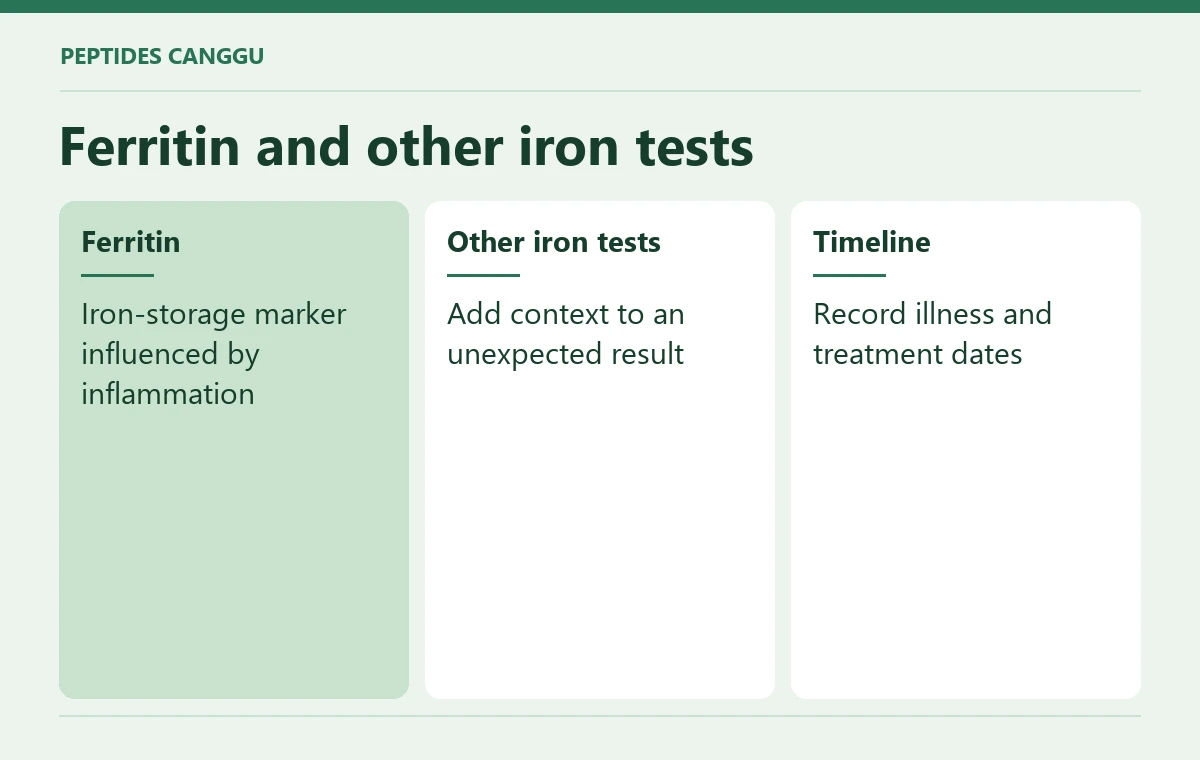
Ferritin helps assess iron stores, but inflammation can raise it. A result obtained around an infection may need different interpretation from one obtained when a person felt well. Fatigue alone cannot establish which interpretation fits.
Ferritin and the rest of the iron panel
MedlinePlus describes low ferritin as often associated with iron deficiency and notes that higher values have several possible causes, including inflammatory conditions. Other iron measures and a blood count may help the clinician understand an unexpected pattern. MedlinePlus on ferritin MedlinePlus on iron tests
Ferritin is not the same laboratory quantity as circulating serum iron, transferrin or transferrin saturation. A clinician may use several of these markers because they reflect different aspects of iron status. A screenshot saved under the heading iron can turn a ferritin result into an apparent repeat of a different test. Keep the exact analyte and unit with each result. A single concentration flagged as high says nothing by itself about whether taking more iron would help.
What to put on the history page
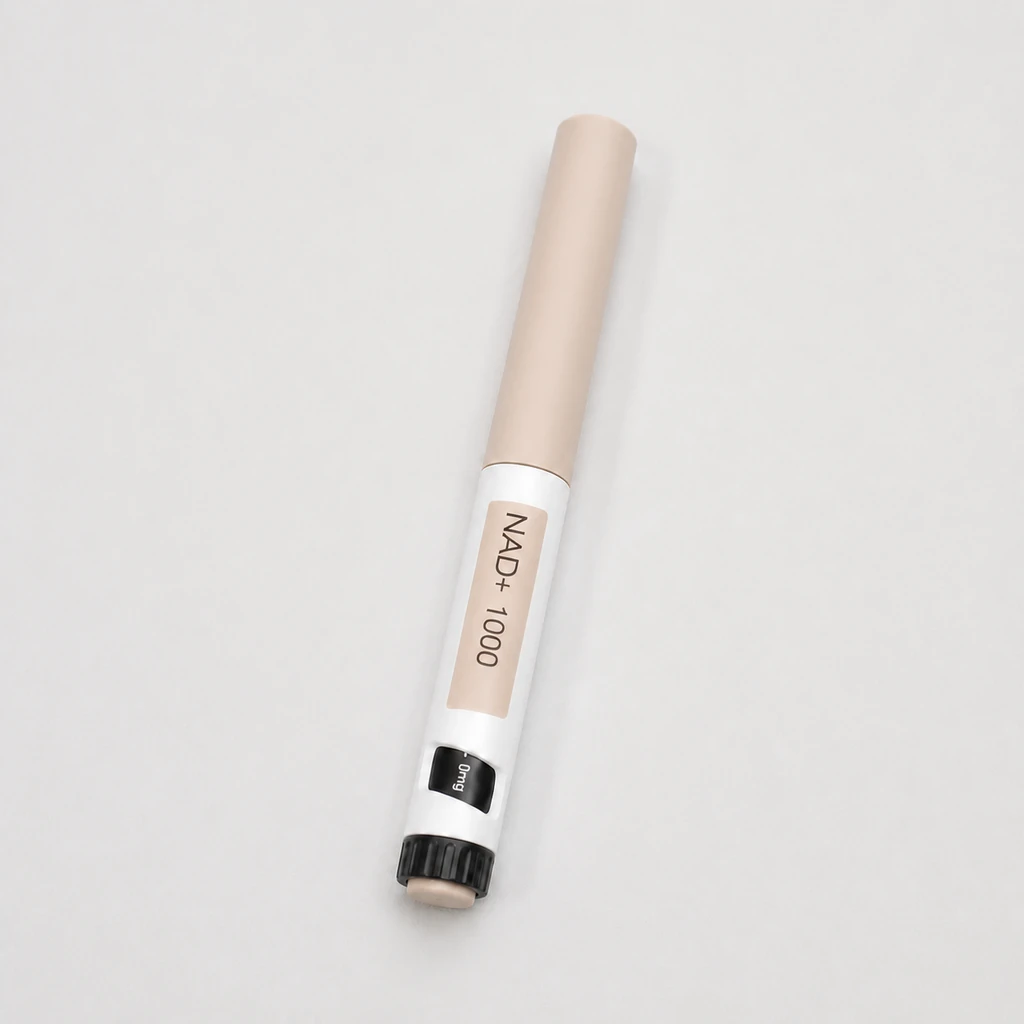
Imagine a Canggu resident taking an “energy” product after an illness and receiving a ferritin result from a local laboratory before the symptoms have fully settled. The timing does not establish the cause of fatigue or prove a benefit from the product. Record dates of symptoms, existing iron treatment and any earlier iron studies.
Note whether symptoms began before the recent illness, during it, or after the acute symptoms settled. Include previous blood loss, known anemia or current supplements if they apply. Do not invent an illness date if you only know the approximate week; an honest interval is better than false precision. At review, the clinician can ask whether the blood count or other iron studies fit the ferritin result and whether further testing would resolve uncertainty. That use of the record is more productive than trying to assign all fatigue to the first abnormal number in a report.
When sharing the finding
Two possible explanations can coexist. A recent illness may complicate the reading while a person also has a reason for low iron stores. Mention both to the clinician rather than using one to cross out the other. A normal-looking flag on one marker cannot reconstruct the rest of an iron assessment.
Keeping laboratory dates also prevents a later illness from being used to explain an earlier result. If there was no illness at the time of testing, retain that fact rather than adding an explanation because it seems plausible.
Keep the laboratory's units and reference interval. Ask which other values help distinguish depleted stores from an inflammatory response in this particular case before changing supplements.