What MCV measures when a Bali blood count flags fatigue
MCV is the average size of a red blood cell.
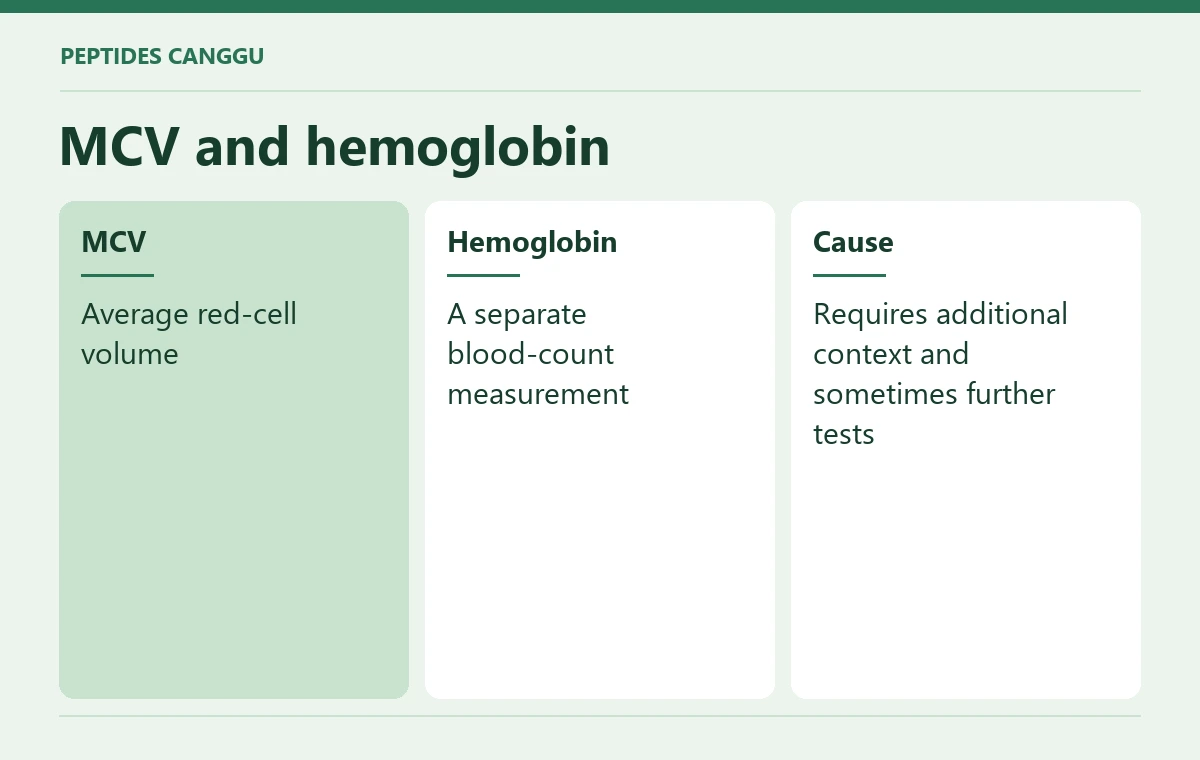
MCV is the average size of a red blood cell. It does not measure subjective energy or the amount of oxygen reaching an individual muscle. A flagged MCV is usually considered alongside hemoglobin and other blood-count measurements.
What a red-cell index means
MedlinePlus explains that MCV helps classify the size of red cells and can contribute to investigation of different forms of anemia. More than one condition can produce the same direction of change, and an average need not describe every cell. MedlinePlus on mean corpuscular volume MedlinePlus on iron tests
The blood-count analyzer measures features of the cells in the specimen and reports MCV as a mean volume. It is not a count of the red cells or a measurement of hemoglobin concentration. A reader may find all three results on the same page with similarly coloured flags. Copying only the abbreviation and a number can make it difficult to reconstruct which observation prompted concern. Include the units and relevant parts of the complete blood count.
Start from the same clinical question
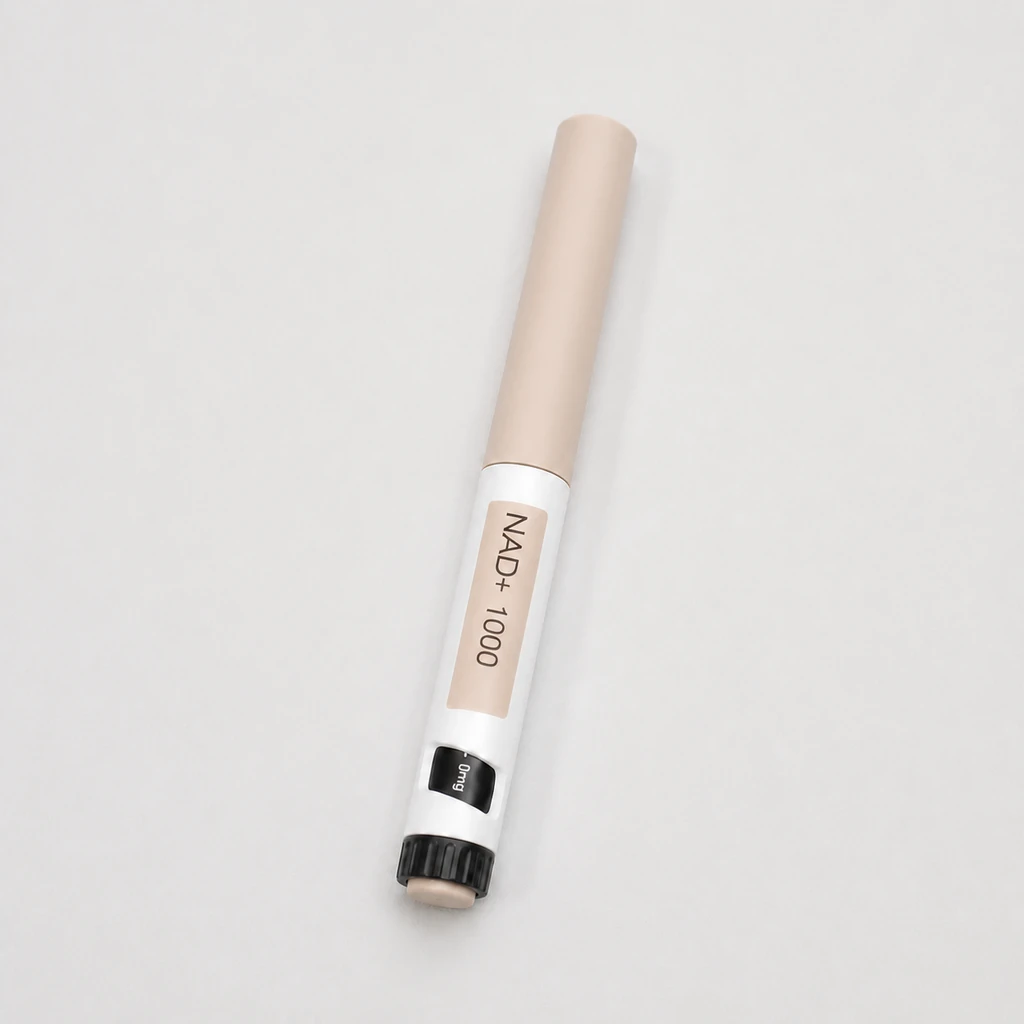
During a Canggu visit, someone brings a small-cell flag and a bottle of an NAD-related supplement. The blood count does not establish that the product treats the cause. Bring past blood counts and a list of iron or vitamin products actually taken.
Chronic tiredness can prompt investigation, but its presence does not make a small or large-cell pattern specific to a single deficiency. A clinician may need to consider iron status, other nutritional factors, underlying conditions or medicines depending on the clinical context. A product sold for energy does not identify which of these possibilities was present. In comparing visits, note whether a treatment started between blood draws and whether the fatigue changed at the same time. Both are observations. Establishing why a change occurred requires more than seeing neighboring dates on a calendar.
Which comparison belongs in your notes?
The mean can also conceal a mixture. A population of red cells with a spread of sizes can have the same average as a population with more uniform cells. This is one reason a clinician can examine the other blood-count indices, the clinical picture and sometimes a blood smear.
If the red blood cells are described as small or large on an old report, note whether that was a measured average, a smear interpretation or a shorthand note from a clinician. These observations can complement each other but are not identical records.
Ask which other result or clinical history distinguishes the plausible explanations. Distinguish hemoglobin concentration from average cell volume before comparing numbers or attributing fatigue to a vitamin deficiency.