Trying a copper-peptide cosmetic? Two skin tests people confuse
A small-area trial of a leave-on cosmetic and a dermatologist's patch test answer different questions.

A small-area trial of a leave-on cosmetic and a dermatologist's patch test answer different questions. The first checks how skin tolerates a particular topical product. The second can investigate delayed allergy to specific substances when dermatitis keeps coming back.
A product trial and an allergy investigation
The American Academy of Dermatology suggests trying a new topical skin-care product on a small area twice daily for seven to ten days, using it as directed. A diagnostic patch test instead uses selected allergens and readings by a trained clinician. Neither procedure establishes that an injectable preparation is suited to the skin. American Academy of Dermatology on testing a new topical product American Academy of Dermatology on diagnostic patch tests
A reaction to a finished serum could reflect any of several ingredients, the way it was used, or skin that was already inflamed. A small test area keeps the observation tied to one finished product, but it cannot isolate individual ingredients. A dermatologist investigating recurrent dermatitis can use a history of contact with cosmetics, jewellery, work materials or adhesives to choose relevant tests. The delayed readings are part of that investigation. Removing a medical patch and seeing clear skin at that moment does not, by itself, give the final interpretation. Follow the clinic's instructions for appointments and readings, especially when a short stay in Bali might interrupt the sequence.
Build an ingredient history that can be checked
A Canggu resident introduces a copper-peptide serum, a fragranced moisturiser and new sunscreen in the same week. Redness under the jaw does not identify copper as the cause. Save all three ingredient lists and the dates and sites of use. Include earlier products with the same fragrance or preservative if a dermatologist asks about repeated exposure.
Take one clear image of the front and another of the complete label before discarding a bottle. Products with similar names can have different formulations, and a travel-size version may have very little room for information. A list of actual exposure sites helps too. A serum placed on the face can reach the eyelids indirectly, while a hair product can contact the edge of the neck. Those are possibilities for a clinician to explore rather than grounds for declaring an allergy. Describe burning, itching, scaling or swelling in the words that fit and record how long after use they started. Keep any advice about a topical preparation attached to that particular route.
What to bring to a consultation
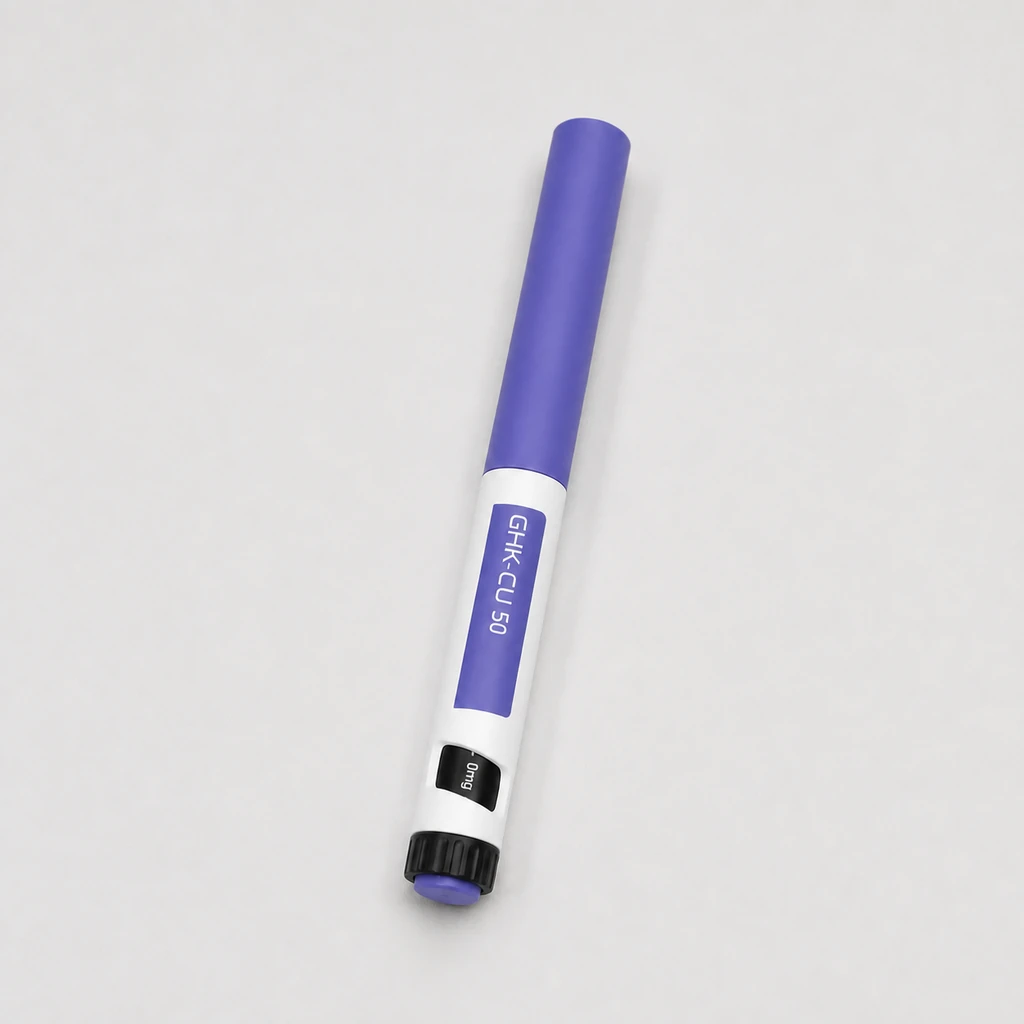
A recent rash, broken skin or a history of a severe reaction changes the conversation. Bring photographs and discuss evaluation before deliberately re-exposing irritated skin. Keep a topical serum and a similarly named pen clearly distinguished on the product list.