Why a better KOOS pain score can coexist with difficulty surfing
A better knee pain score and persistent trouble twisting to stand on a board can both be accurate.
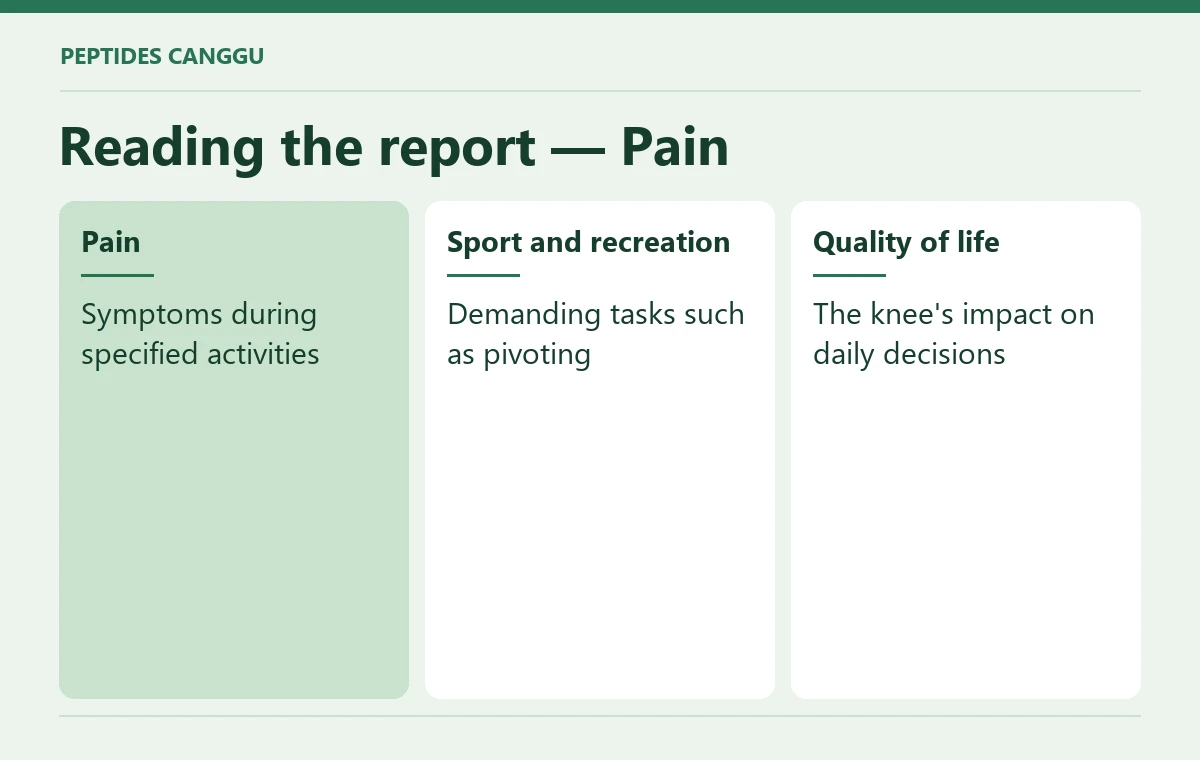
A better knee pain score and persistent trouble twisting to stand on a board can both be accurate. The KOOS questionnaire reports separate dimensions of knee health. Its developers recommend interpreting the subscales separately, which preserves information lost in one average.
Keep the five score lines separate
The five domains cover pain, symptoms, activities of daily living, sport and recreation, and knee-related quality of life. Scores run from zero for extreme problems to one hundred for no problems. The questionnaire's own scoring rules address missing answers. A blank response should never be silently turned into a symptom-free day. KOOS developers' guide to interpreting the five subscales
An average can conceal the precise change a patient cares about. Suppose daily activities become easier while the sport subscale remains low. Averaging these figures with the remaining domains can produce a modest overall rise that sounds reassuring but says little about pivoting on a bent knee. Conversely, a low sport score can coexist with meaningful improvement in stairs and household tasks. Keep the person's priorities alongside the five separate lines. When you compare two forms, check that both were completed using the same version and reference period. A translated explanation of a question can be helpful, but it should not turn a different activity into an answer to the original item.
Distinguish an activity avoided from one completed
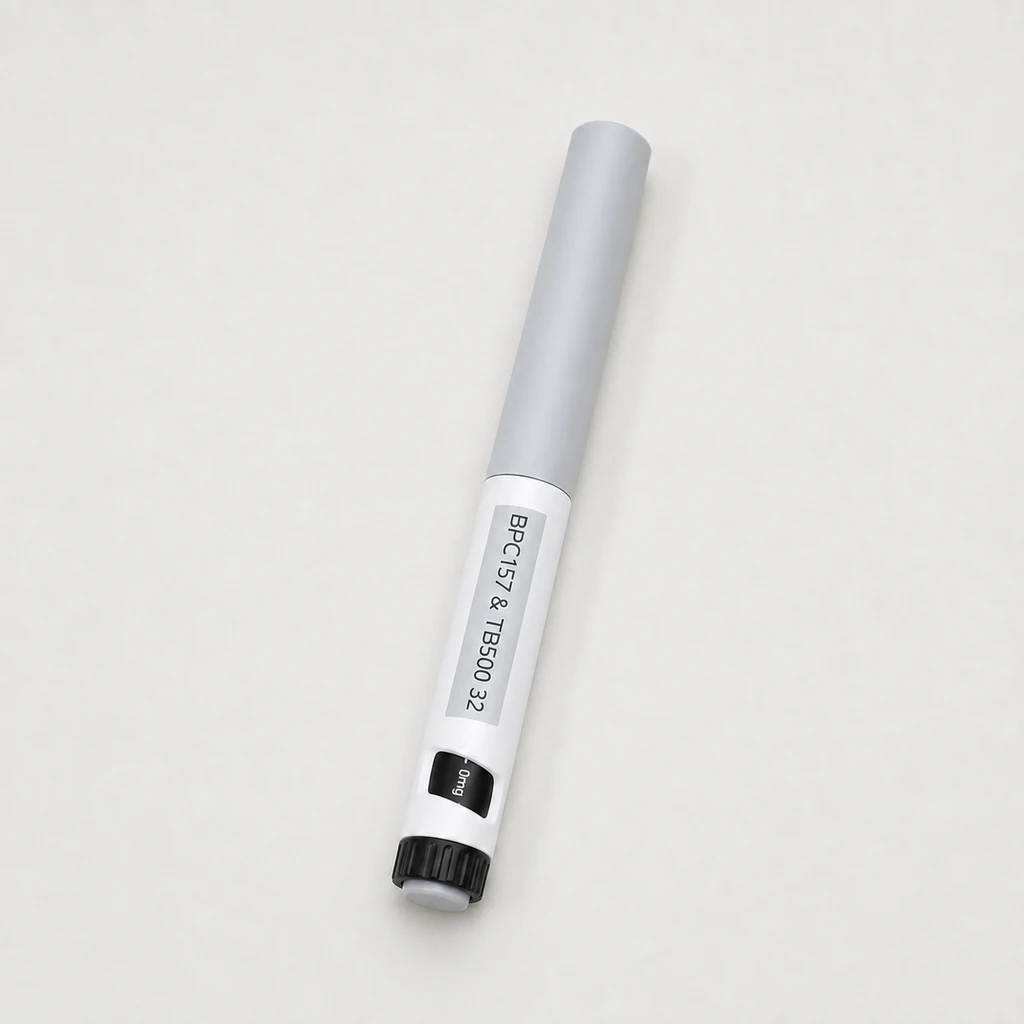
A Canggu surfer reports comfortable walking to work but still avoids kneeling and pivoting. On the original forms, check which activities changed and which were never attempted. Note changes in training load or rehabilitation since the first questionnaire. A date when someone considered a peptide blend does not separate that exposure from the other changes.
What happened before an answer was chosen is often more informative at a review than the final number. Someone who walked on flat pavements all week had different exposures from someone who tried a session with repeated turns. Record which tasks were actually attempted, which were deliberately avoided and whether symptoms appeared later. This gives a therapist a way to connect the patient's report with functional assessment. Avoid replacing the questionnaire's standard answer options with scores made up for activities that never occurred. A surf instructor's support, a lighter training week or a change in footwear can also be relevant context; their coexistence with improvement does not establish what caused it.
The next conversation
Bring both completed questionnaires to the physiotherapy review rather than copying only the highest score into a message. Ask which activity matters to your return and which additional functional test or clinical examination can address it.