A changing mole after tanning in Bali: what to show a dermatologist
An individual spot changing in size, shape or colour deserves attention even when the rest of the skin has darkened after sun exposure.
An individual spot changing in size, shape or colour deserves attention even when the rest of the skin has darkened after sun exposure. A photograph can help show the change. It cannot rule out melanoma, and a post-tanning colour change does not by itself identify a cause.
One spot changing against a changing background
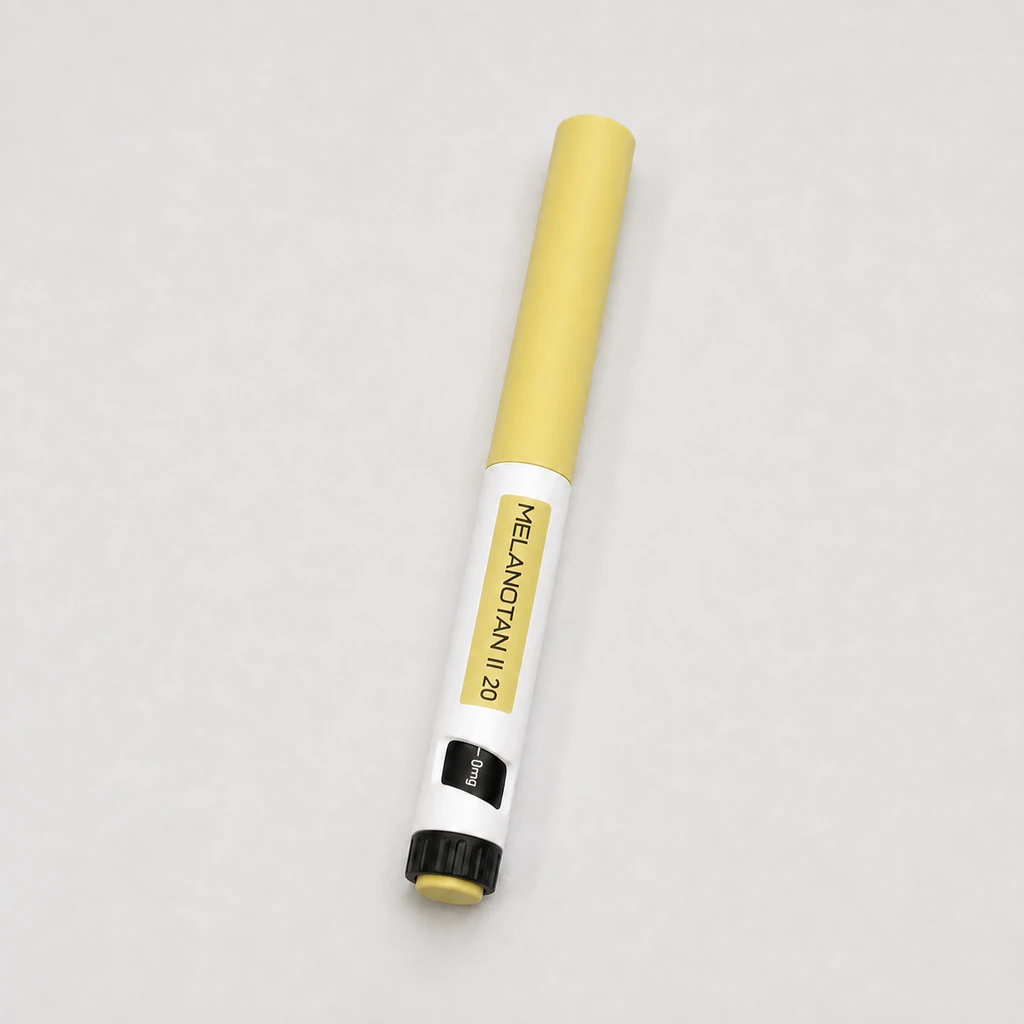
Dermatologists use asymmetry, border irregularity, colour variation, diameter and evolution as reminders when checking spots. A melanoma may be smaller than six millimetres. The Australian TGA separately warns against melanotan tanning products. A report from that regulator concerns those products and is distinct from a diagnosis about any one mole. American Academy of Dermatology's checklist for changing spots Australian Therapeutic Goods Administration on melanotan products
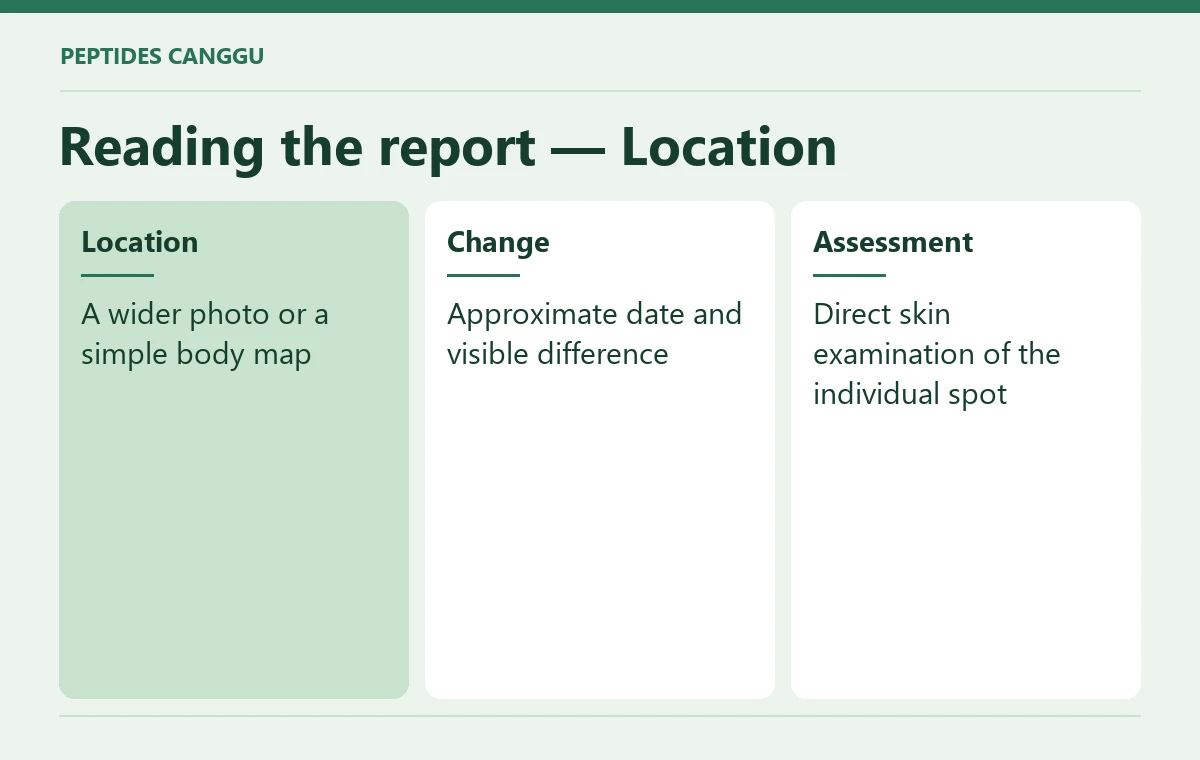
An evenly darker photograph made outdoors can reflect lighting, recent sun exposure or camera processing. A single spot that has developed an uneven edge, several colours or an altered shape calls for a different comparison. A wider image identifies which side of the body and which nearby landmarks are involved. A second, closer image can document the appearance as seen that day. If one photograph is taken under warm indoor illumination and another under bright daylight, avoid claiming a precise change in colour from the camera files alone. Mention what you observed directly. A clinician can then examine the spot and decide whether dermoscopy or another assessment is warranted.
What a useful history sounds like
If you notice a changing mark after a stay near Canggu, write down the site and the first date you remember it looking different. Bring an older ordinary photograph if the same area is visible. A close photograph and a wider view help a clinician find the exact spot without trying to reconstruct a tan from memory.
“On my left shoulder, near the old scar, raised enough to catch on my shirt since last month” identifies a location, a change and an approximate date. “It looks suspicious after Bali” gives very little to examine. Include bleeding or itching if present and say whether the same site was previously examined. A relative's observation of change can be relevant if the spot is on your back. Sun exposure and melanotan use belong in the history, but neither establishes what a lesion is. If the earliest photograph is blurry or missing, use the information you do have and arrange the appointment. A clinician can evaluate a lesion at a first visit without waiting for a second holiday or another tan.
When the distinction matters
Arrange a skin examination for a new, changing or bleeding spot; avoid delaying care to build a perfect photo series. Tell the dermatologist about tanning products and other exposures by their actual name and route. Ask which further examination is appropriate.