Tesamorelin has been studied for liver-fat changes in people living with HIV and fatty liver disease. That is a more specific question than whether it reduces a visible belly or helps anyone with an abnormal liver test. For readers in Bali, the important distinction is between liver fat, visceral fat and the exact medical population in which the research was conducted.
Liver fat is not simply another name for belly fat
Liver fat refers to fat within the liver. Visceral fat refers to fat located around internal organs in the abdomen. They may be discussed together in metabolic research, but they are different measurements and cannot be substituted for each other.
| Observation | What it concerns | What it cannot establish alone |
|---|---|---|
| Waist measurement | External body dimension | Amount of fat within the liver |
| Visceral-fat assessment | Abdominal fat around organs | A complete liver diagnosis |
| Liver-fat imaging measurement | Fat fraction within the liver | Every aspect of inflammation or scarring |
| Liver blood tests | Particular biochemical markers | The same result as a direct fat measurement |
Someone can therefore ask a useful question about a liver finding without turning it into a general body-shape comparison. Bring the actual report rather than relying on the phrase “belly fat.”
What the controlled trial examined
The Lancet HIV trial enrolled people living with HIV who had a defined hepatic-fat measurement. It compared tesamorelin with placebo over 12 months and assessed liver-fat change. The findings supported a reduction in the studied population, while the authors identified the need for further work on longer-term liver outcomes.
An earlier randomized study also examined visceral and liver fat in people with HIV and abdominal fat accumulation. Both publications provide more specific information than a broad claim that a peptide “cleans the liver.”
Neither trial means that a person with an unrelated cause of abnormal liver tests has the same condition or should use the same treatment. Matching the population is part of interpreting the result, not a footnote to skip.
A liver-fat result is not every liver outcome
The amount of fat, inflammation, fibrosis and long-term clinical outcomes are related but separate questions. A favourable result for one measure should not be expanded into a promise that all liver disease is reversed.
Likewise, a reduction in waist size does not prove a change in liver fat. If you are following a known finding, ask the clinician which measurement is appropriate for that specific problem and how to compare it with previous results.
Keep medicine indication and product identity separate
The Egrifta WR information describes a specific tesamorelin medicine used for excess abdominal fat in HIV-associated lipodystrophy and distinguishes it from general weight management. A liver-fat research paper does not automatically create a new indication for every product containing the ingredient.
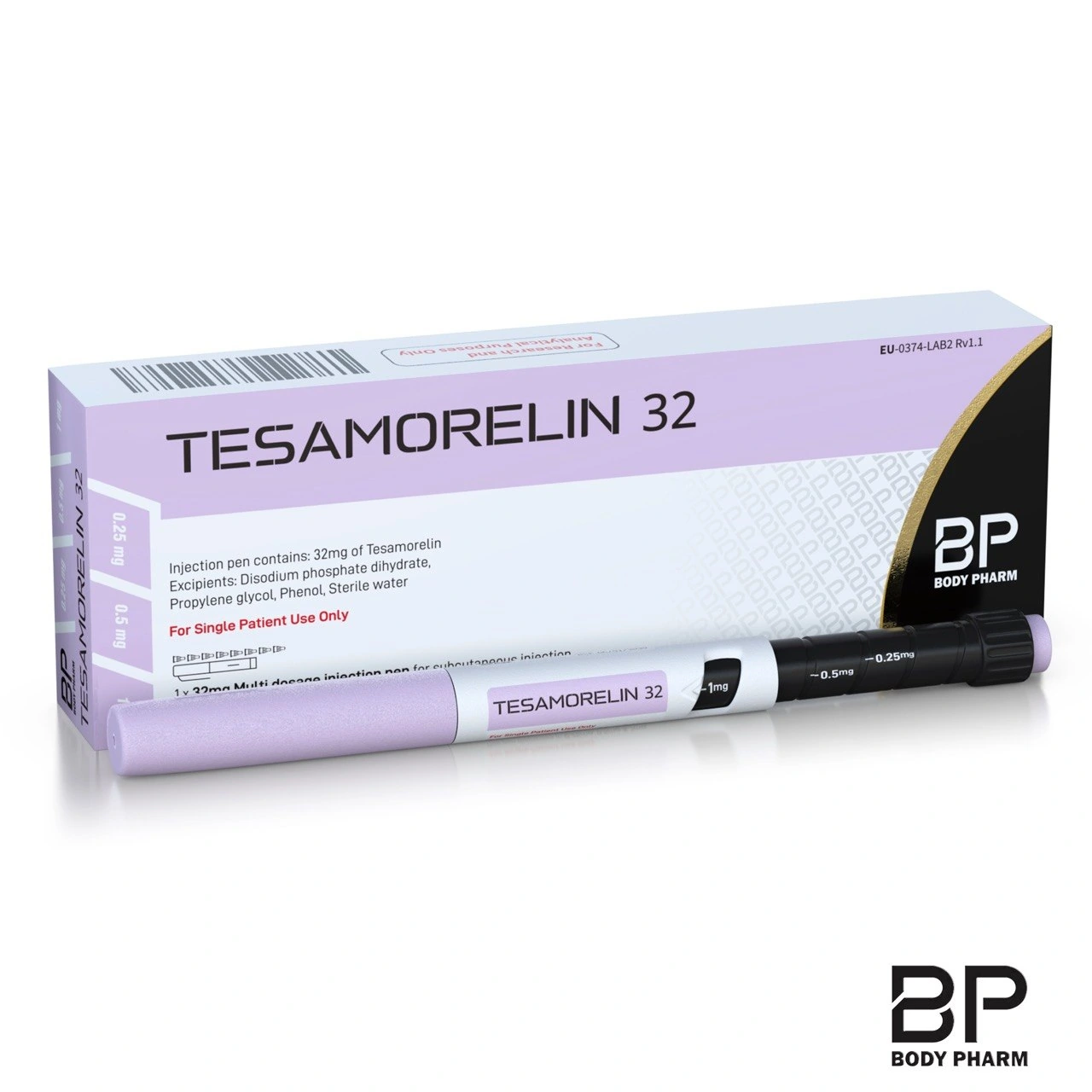
The Tesamorelin catalogue page lists a 32 mg pen. This identifies labelled product content; it does not establish that the pen is Egrifta or the preparation used in the cited trials. The product and the research should be connected only where their relevant details actually match.
Using the information in Bali
If a scan or blood test prompted your search, bring the original result, its date and the reason it was ordered to a qualified clinician. Include existing diagnoses, medicines and relevant history. The first useful question is what the finding means, not which catalogue category sounds closest.
For a visitor, clarify who will arrange follow-up after the trip. For a resident, preserve comparable reports over time. In either case, an article cannot determine the cause of a liver finding or replace the assessment needed to choose management.
Our visceral-fat article explains the adjacent but different endpoint. The GHRH explanation addresses the hormonal pathway; a mechanism is not itself a liver diagnosis.
FAQ
Does a smaller waist prove less liver fat?
No. Waist size and hepatic fat are different measurements.
Did the cited studies include everyone with fatty liver?
No. The key research discussed here involved people living with HIV and defined study criteria.
Does a change in liver fat mean fibrosis has disappeared?
No. Fat content and scarring are separate outcomes. The relevant report and follow-up require clinical interpretation.
Can the 32 mg label be used to recreate a trial schedule?
No. Total pen content does not establish the studied preparation, administration plan or personal suitability.
Sources and further reading
Prepared with AI assistance and checked against the linked sources. No licensed medical review is claimed.