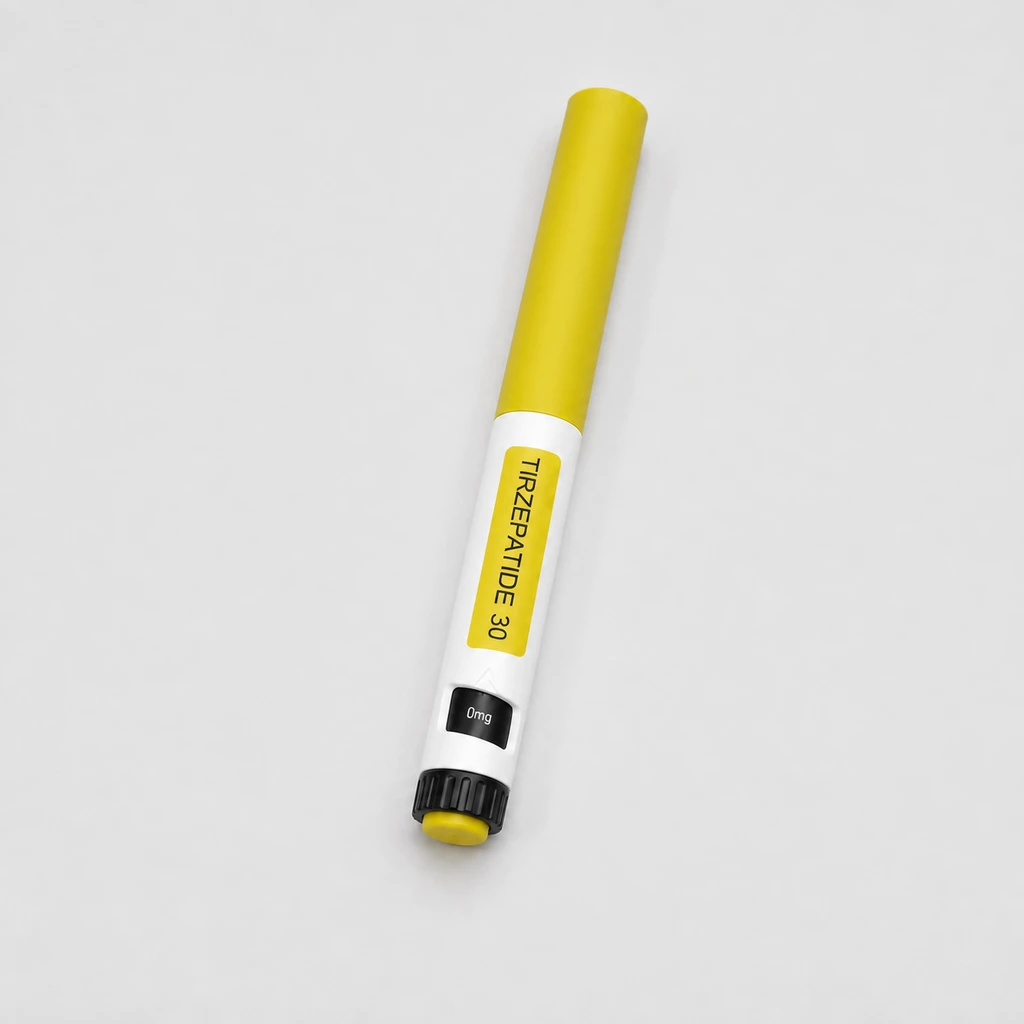
Already avoiding gluten before a celiac blood test in Bali?
Starting a gluten-free diet before investigation can affect the interpretation of celiac antibody testing.
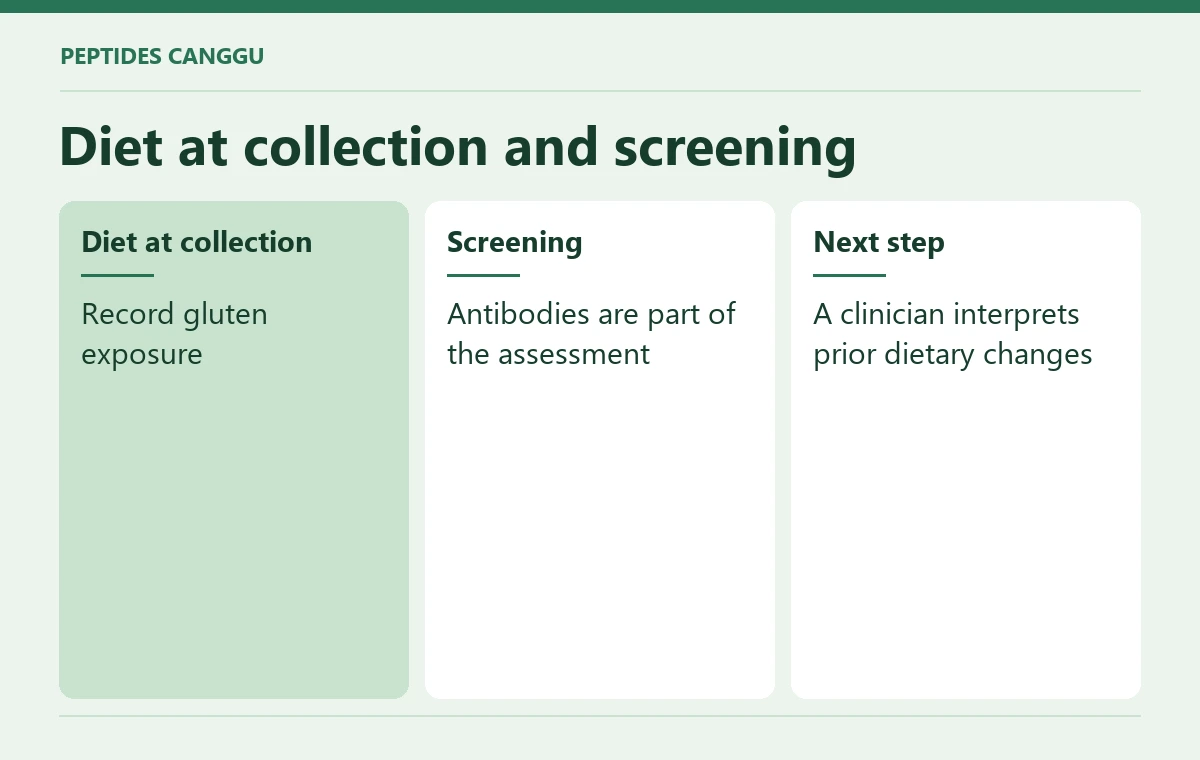
Starting a gluten-free diet before investigation can affect the interpretation of celiac antibody testing. Tell the clinician what you were eating when the sample was collected rather than describing only what you eat today.
What an antibody result represents
MedlinePlus explains that celiac screening checks antibodies and that accurate testing generally requires eating gluten. A positive screening result and a confirmed diagnosis are different stages of assessment. MedlinePlus on celiac screening
Antibody testing looks for an immune response associated with celiac disease. If the relevant dietary exposure changed before blood was collected, the result has a different context from one obtained during the person's customary diet. A negative flag simply reports the result and the laboratory threshold for that specimen. It does not record what the person ate during the preceding weeks. Ask which antibody test was run and whether the laboratory or clinician needs additional information to interpret it. Keep any separate result for total immunoglobulin A with the original panel when available.
Several changes on the same calendar
Imagine bloating during a stay in Canggu followed by two simultaneous changes: a new medicine and removal of gluten. Improvement does not separate their effects. A negative blood test taken after a prolonged dietary change has a different context from one taken beforehand.
A useful symptom diary has a line for meals, one for medicines and one for symptoms. If all three change during the same week, a subsequent improvement can be real without identifying the effective change. A reader may also have improved for a reason that was never recorded. This is not a reason to ignore the history. It is a reason to phrase it accurately: symptoms became easier after a particular date, and more than one exposure changed around that date. That wording allows a clinician to plan an assessment without assuming in advance that gluten or a medicine caused the symptoms.
What to bring to the next review
If an old test request is available, check what was ordered rather than assuming every antibody assay was included. A laboratory report showing a single antibody result should be described as that particular test. It is not automatically a complete record of the diagnostic work-up.
Keep the result of screening separate from a later specialist interpretation. If no diagnosis was confirmed, describe the work-up as incomplete instead of listing a definite condition on a transfer form.
Bring the dated symptom and diet history. Ask a clinician how to plan any further testing safely; do not undertake a self-directed gluten challenge or change medication to reproduce symptoms.