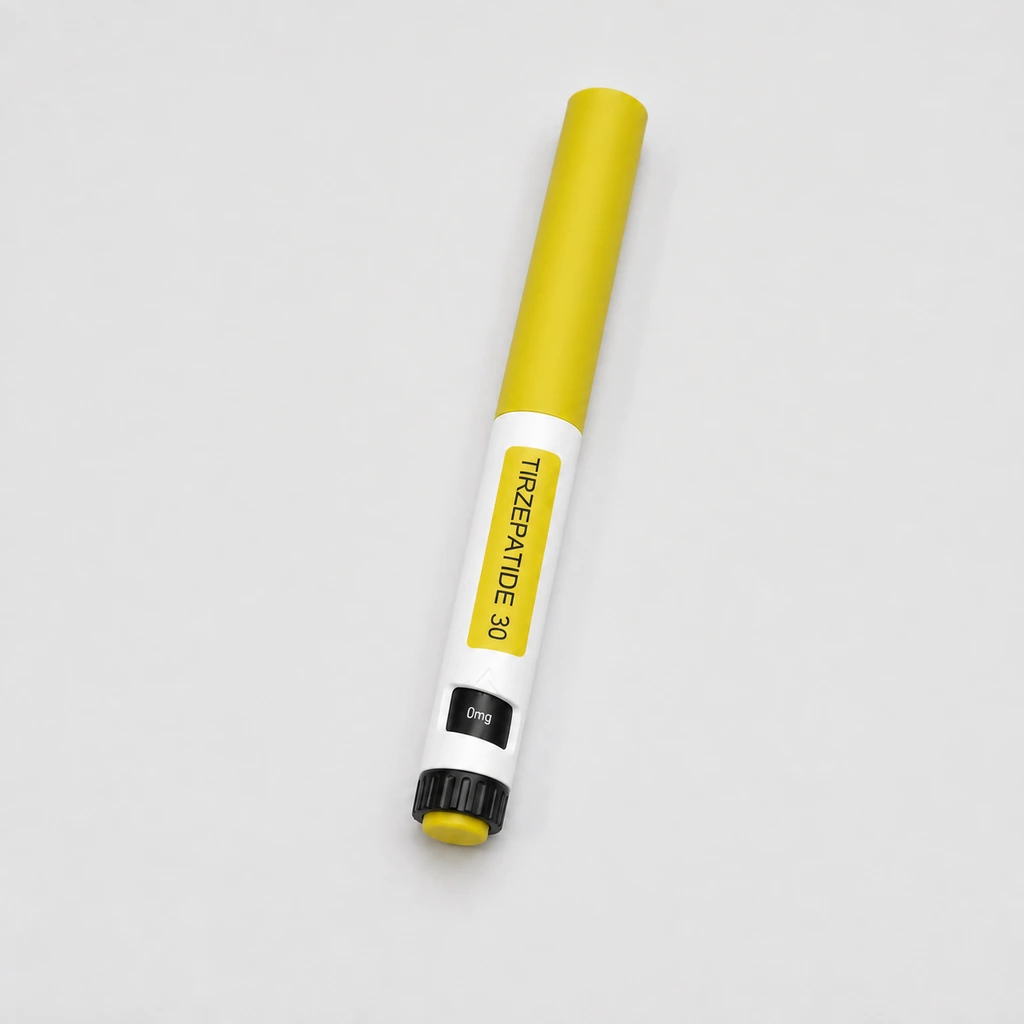
Tirzepatide weight-loss research reports reductions in both fat mass and lean mass. That does not mean every kilogram lost is fat, or that “lean mass” means only skeletal muscle. If you are tracking progress in Bali, use the same type of measurement over time and distinguish a scan result from strength, function and the number on a bathroom scale.
What the SURMOUNT-1 substudy measured
The published DXA substudy included 160 participants with measurements at baseline and week 72. It examined body composition within a larger trial in adults with obesity or overweight. The reported loss was approximately three-quarters fat mass and one-quarter lean mass in both the Tirzepatide and placebo groups.
That proportion describes the composition of weight lost. It does not say that participants lost one-quarter of all the muscle they started with. Confusing those denominators can turn a useful result into an alarming but incorrect headline.
The study also does not establish the same outcome for every person, every duration or every product sold under the ingredient name. A group average is a reference for discussion, not a prediction for your next scan.
Four measurements, four meanings
| Measurement | Useful information | Important limit |
|---|---|---|
| Body weight | Total mass at that time | Does not separate fat from other tissue |
| DXA fat mass | Estimated fat component | Not a direct measure of fitness |
| DXA lean mass | Lean soft tissue estimate | Not identical to skeletal muscle alone |
| Strength or function | Ability in a defined task | Not interchangeable with a tissue-mass estimate |
This is why “my weight fell” and “my strength fell” should be reported as two observations. One should not be inferred from the other. A scan can add information without replacing a clinical or functional assessment.
The common 25% misunderstanding
Imagine a report describing a portion of the total weight lost as lean mass. The denominator is the weight change, not the person's starting lean mass or starting muscle mass. It is the difference between describing what made up a change and describing how much of an original tissue compartment disappeared.
Do not convert that statement into a claim that a quarter of your muscles will be lost. Equally, do not erase the lean-mass finding and describe all loss as fat. Both interpretations exceed what the research says.
Build a record that can actually be compared
If you have scans from before and during a Bali stay, keep the complete reports, not only the highlighted percentage. Record the device or assessment method and the dates. Comparing a gym estimate with a DXA report as though they were the same measurement can create an apparent change that is difficult to interpret.
Alongside the report, note relevant functional concerns and major changes in training or eating. A clinician can decide how those fit the overall picture. The aim is not to create a home diagnostic score, but to bring interpretable information to follow-up.
Product choice does not solve the measurement question
The Tirzepatide page describes catalogue formats. Choosing a larger pen or adding another product does not itself prove protection of muscle. A suggested combination would need its own relevant evidence and clinical assessment.
The Zepbound prescribing information explains the specific medicine's context and instructions. It should not be used to assume that every separately sold pen is identical to a trial product. Our comparison with semaglutide addresses a different question from how to interpret body-composition changes.
What to discuss locally
Ask the professional following your treatment which outcome is most useful to track in your situation and when reassessment is meaningful. Mention difficulty maintaining normal activity, changes in function or concerns about nutritional intake. Those observations are more actionable than choosing a product based on a slogan about “lean gains.”
For visitors, keep the records available for the clinician who will take over after travel. Continuity makes a change easier to interpret than starting a new measurement system with every location.
FAQ
Does DXA lean mass mean pure muscle?
No. Lean soft tissue includes more than skeletal muscle, so the terms should not be exchanged casually.
Did the study say a quarter of starting muscle was lost?
No. The approximate proportion referred to the composition of weight lost.
Can strength stay different from what a scan suggests?
Strength and tissue estimates measure different things. Discuss both rather than using one as a substitute for the other.
Does this tell me which additional peptide preserves muscle?
No. The cited study did not establish a retail peptide combination for that purpose.
Sources and further reading
Prepared with AI assistance and checked against the linked sources. No licensed medical review is claimed.