Moving to Canggu should not make a previous diabetes eye diagnosis disappear from the care record. If you take tirzepatide and stay in Bali for several months, preserve the last examination report and the follow-up plan. Continuity starts with knowing what the next clinician needs to see.
Build a handover around the next appointment
Record why the appointment is due: routine screening, follow-up of an existing finding or assessment of a new symptom. These are different tasks. A date in a calendar is more useful when the reason travels with it.
NIDDK describes diabetic eye disease and examination methods. Some disease can be present without early symptoms. A person who reads comfortably may still need the follow-up already advised by their clinician.
| Handover item | Useful detail | Why retain it? |
|---|---|---|
| Previous report | Date and exact finding | Establish the clinical starting point |
| Medication list | Current names and changes | Give the clinician treatment context |
| Follow-up plan | Purpose and timing | Avoid treating every review as routine |
Include the tirzepatide monitoring question
The Mounjaro label discusses retinopathy monitoring when there is a previous diagnosis and notes possible temporary worsening associated with rapid glucose improvement. It also identifies advanced retinal conditions that were not studied. Let the clinician connect those details with the actual report.
Do not infer that a symptom must be harmless because glucose improved. Do not infer the opposite, that treatment caused an eye disease, simply because the timing overlaps. Describing the sequence accurately is more useful than selecting a diagnosis from a headline.
Plan for both routine and urgent care
For routine follow-up, confirm whether it will happen during your stay or after returning home. Save new reports with the old ones so the next clinician can compare actual findings. Keep a readable copy available when travelling between accommodation and an appointment.
Sudden visual change, flashes, a marked increase in floaters or a curtain-like shadow needs immediate assessment. Do not wait for the routine plan to catch up with a new urgent problem.
Leave commercial questions with the catalogue
Use the Tirzepatide page to identify the listed pen format and the catalogue to compare products. A total amount on a package does not determine an examination interval or establish medical suitability.
Does changing countries mean starting screening again?
Your previous report remains relevant. A new clinician decides what assessment is needed after reviewing the history and current circumstances; the location alone does not erase prior findings.
Who should interpret a translated report?
The medical provider responsible for the assessment. Preserve the original alongside any translation, particularly the diagnosis, procedure names and dates.
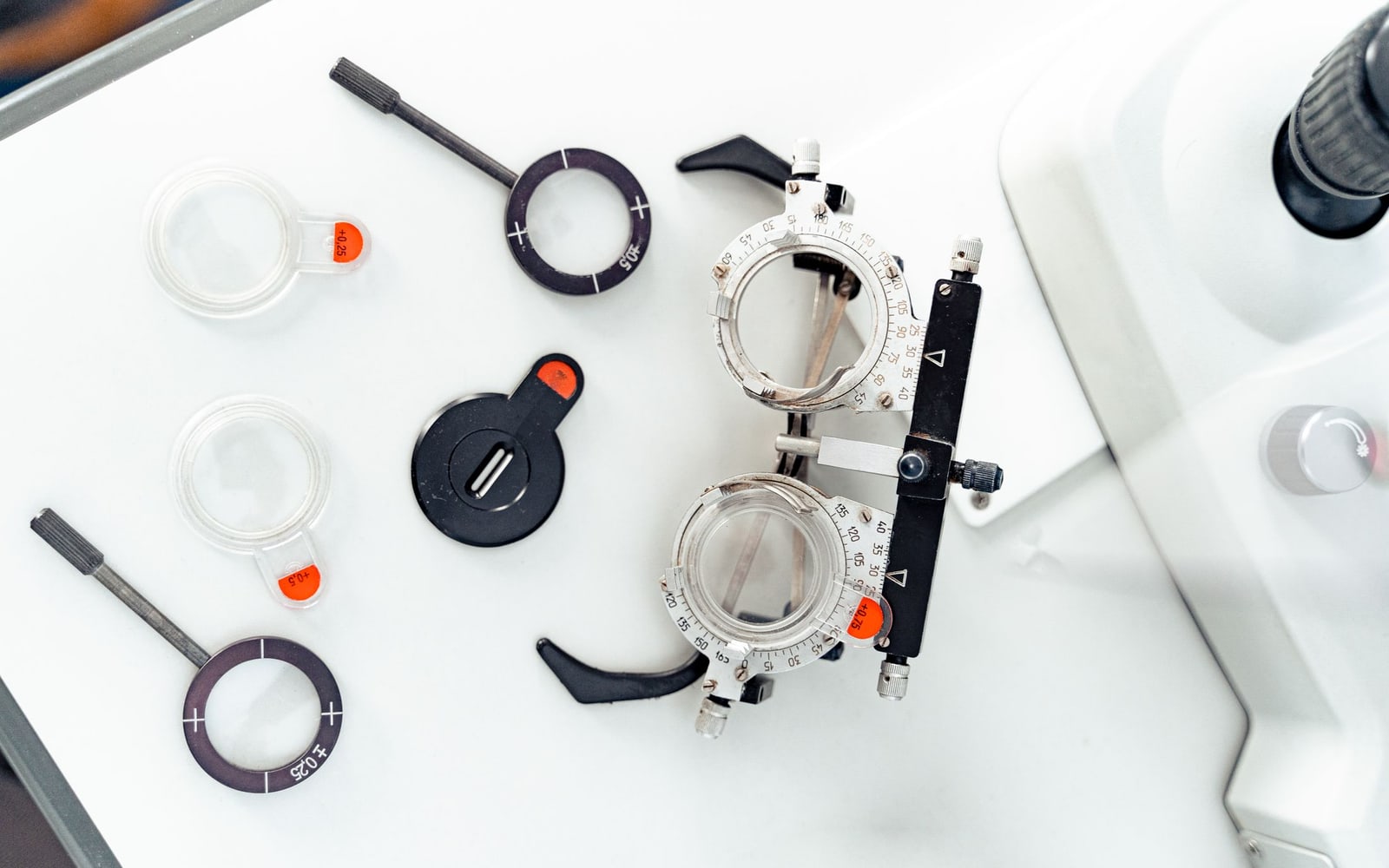
Photograph: Antoni Shkraba · Pexels. Optometry equipment, illustrating eye-examination records and follow-up. Illustrative stock photograph; it does not show the study preparation or its results.
Sources and further reading
Prepared with AI assistance and checked against the linked sources. No licensed medical review is claimed.