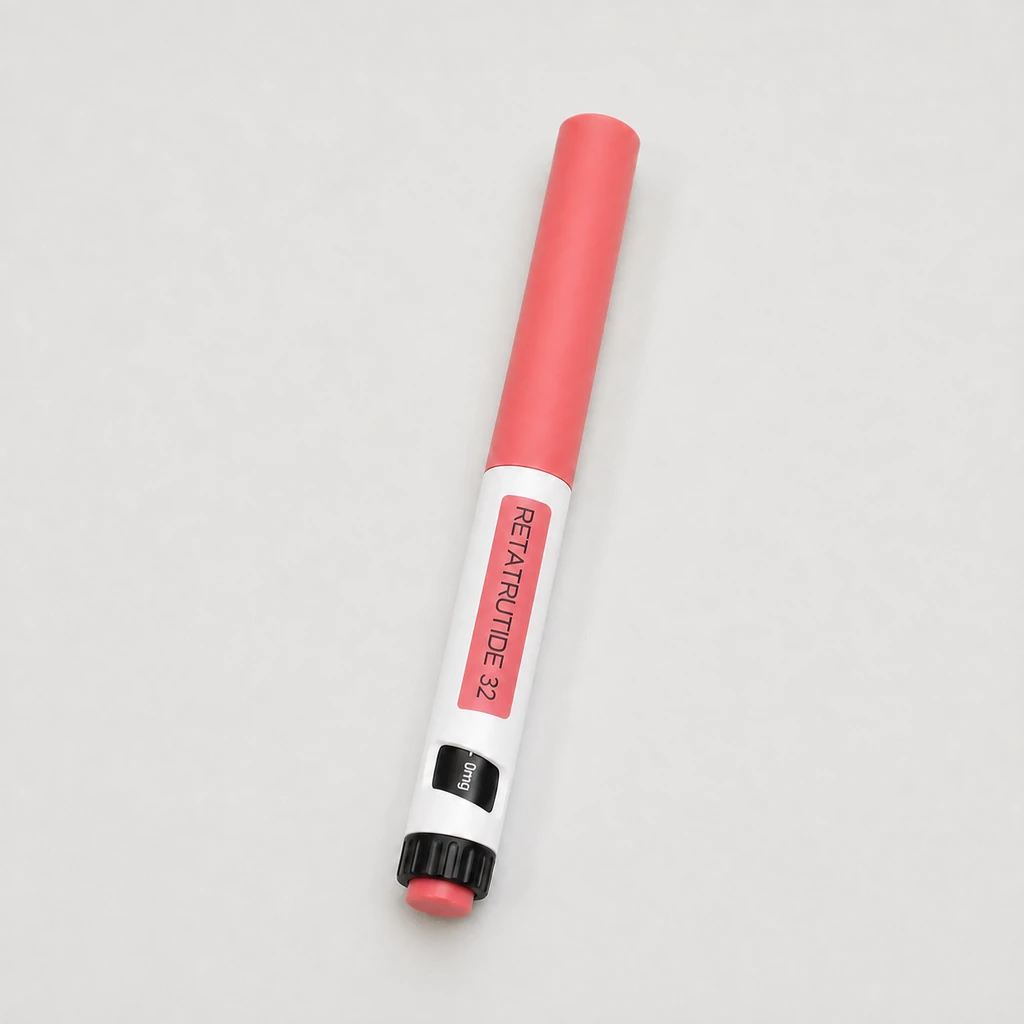
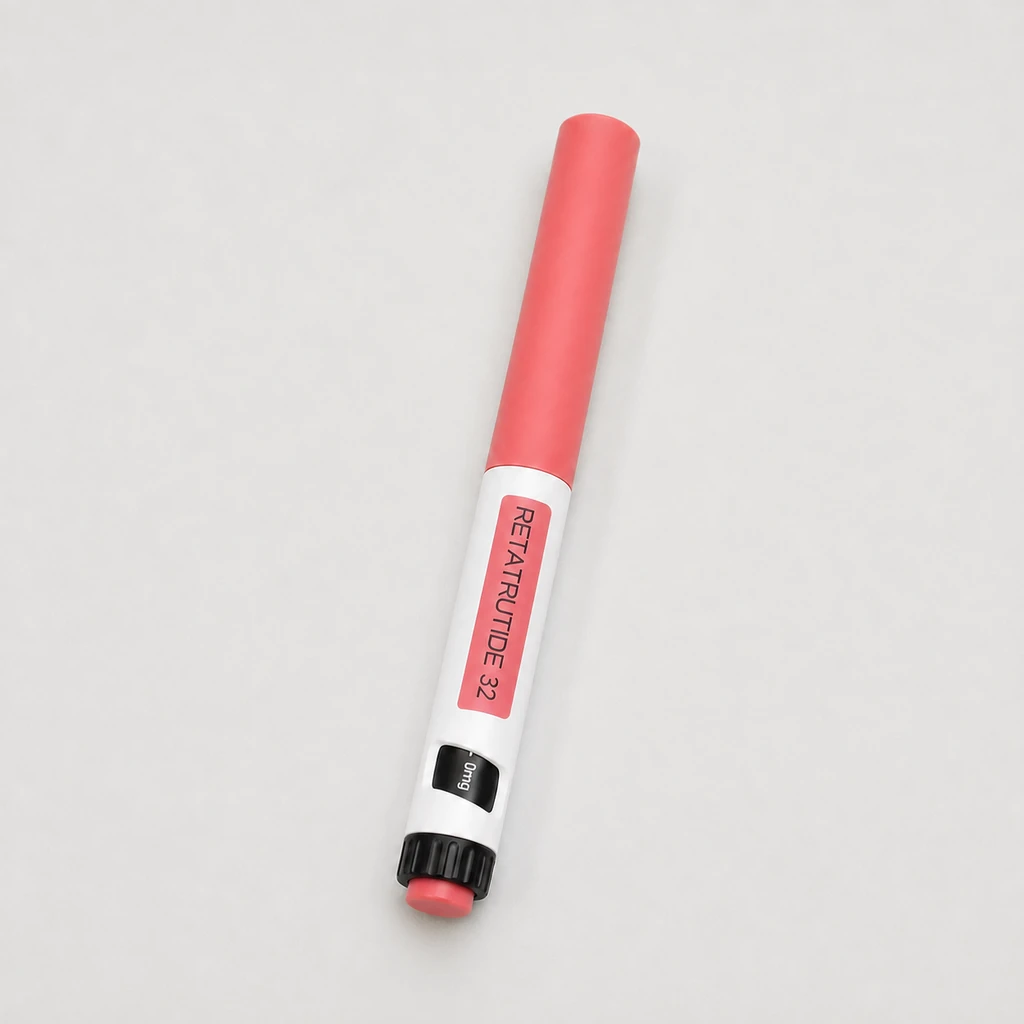
Retatrutide and tirzepatide both now have phase 3 weight-management results, but their separate placebo-controlled trials do not establish which is better head to head. As checked on October 6, 2026, TRIUMPH-5—the direct comparison—remains active with no results posted in its registry record. For readers comparing Retatrutide, Tirzepatide in Bali, Indonesia, separate evidence about a molecule from the identity and instructions of the finished product.
Tirzepatide is a dual GIP/GLP-1 receptor agonist; retatrutide also targets the glucagon receptor. That difference explains the research interest, but clinical outcomes are the useful basis for this comparison.
The main studies side by side
The table reports mean percentage change from starting body weight. Negative values mean weight loss. The amounts identify trial arms; they are not directions for using a product.
| Trial | Population and design | Weight endpoint and findings |
|---|---|---|
| SURMOUNT-1 | 2539 adults with obesity, or overweight with a weight-related complication; no diabetes; randomized phase 3, subcutaneous tirzepatide versus placebo | At 72 weeks, treatment-regimen estimates: 5 mg −15.0%; 10 mg −19.5%; 15 mg −20.9%; placebo −3.1% |
| TRIUMPH-1 | 2339 adults with obesity without diabetes; randomized phase 3, subcutaneous retatrutide versus placebo | At 80 weeks, treatment-regimen/intention-to-treat estimates: 4 mg −17.6%; 9 mg −23.7%; 12 mg −25.0%; placebo −3.9% |
| TRIUMPH-5, NCT06662383 | Randomized, double-blind phase 3 comparison of retatrutide with tirzepatide in adults with obesity; estimated enrollment 800 | Primary endpoint: percentage weight change at 80 weeks. Active, not recruiting; no results posted at this check |
SURMOUNT-1 was first published online on June 4, 2022. The peer-reviewed TRIUMPH-1 report was published on September 29, 2026. Describing retatrutide as having only phase 2 evidence is therefore out of date.
Why the analysis definition matters
An estimand describes the treatment effect a study is trying to estimate, including how it handles events such as stopping treatment. The table uses treatment-regimen results, which address the assigned treatment strategy even when participants discontinue it, rather than assuming everyone remains on treatment.
An efficacy-estimand headline can answer a different question about remaining on the assigned treatment. Mixing that value with a treatment-regimen result from another trial creates an inconsistent comparison before any biological difference is considered. This is why the TRIUMPH-1 values above should stay with their stated analysis definition.
Even with comparable definitions, the trials have different durations, participants and study procedures. Subtracting one drug's percentage from the other's would not produce a measured advantage between them. The direct randomized comparison is designed to answer that question more directly; a planned endpoint is not yet a finding.
Weight change is only part of the decision
A useful clinical assessment also considers adverse effects, discontinuation, health conditions and outcomes beyond the scale. Gastrointestinal adverse events were common in these programs. The Zepbound prescribing information supplies the approved tirzepatide product's indications, contraindications and warnings; a weight-loss percentage cannot replace those details.
Body composition is a different measurement from total weight. Our retatrutide body-composition article explains the specific DXA substudy. Similarly, the heart-rate article keeps the phase 2 pulse time course attached to its own source rather than assigning it to the newer trial.
Development status and product identity
Tirzepatide has an approved US weight-management medicine in Zepbound. Retatrutide remains investigational and is not FDA-approved, according to Lilly's current development information. Publication of a phase 3 result and marketing authorization are separate milestones.
These trials used their specified study products. A catalog pen sharing a compound name does not inherit the trial's composition, delivery performance or clinical outcomes. The evidence currently supports discussing two substantial clinical programs and awaiting the direct comparison—not selecting a catalog product by the largest percentage in a headline.
Connect the evidence to a product question in Bali
Read the study’s formulation, route, participants and measured outcome before applying a headline to a product choice. A mechanism explains a research question; it does not establish a result for every finished pen. Keep the exact catalogue presentation beside the evidence, and identify any missing product-specific information before deciding what to ask next.
Product formats to compare in Bali
Compare the following catalogue entries with the product or route discussed above. The stated amount is the total labelled pack content, not a dose or a promise of how long it will last.
| Catalogue product | Labelled contents | What to distinguish |
|---|---|---|
| Retatrutide | 32 mg / pen | Investigational molecule; compare finished-product identity and documents. |
| Tirzepatide | 30 mg / pen; 60 mg / pen | Two total-content variants; the device and product instructions also matter. |
Confirm your Bali order
For Canggu, Berawa, Pererenan, Umalas, Seminyak or Uluwatu, send the exact product, quantity and destination. Ask the team to confirm the delivery arrangements for that address before relying on a proposed time.
View all pen formats · Ask about the exact product on WhatsApp
Sources and further reading
Prepared with AI assistance and checked against the linked sources. No licensed medical review is claimed.