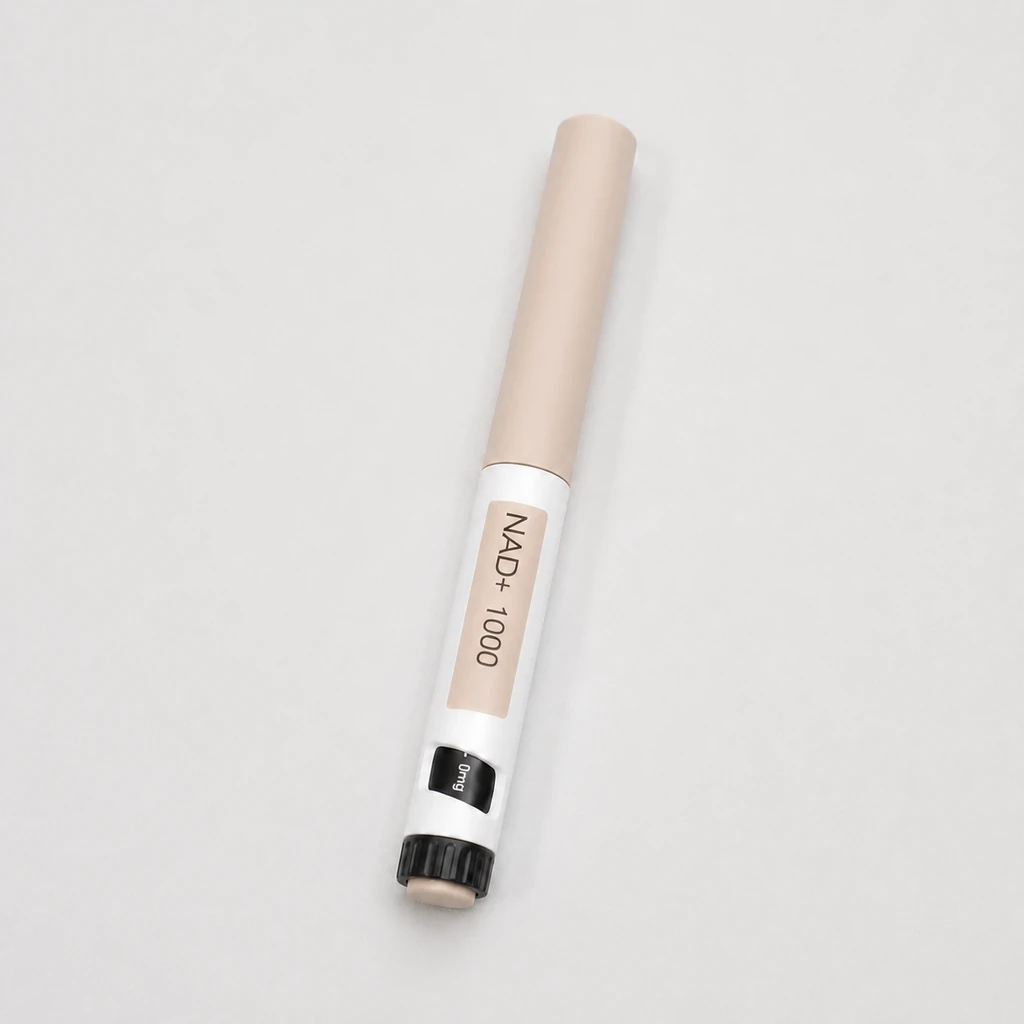
NAD+ is not a peptide. Its full name is nicotinamide adenine dinucleotide, and it works as a coenzyme in cellular chemistry. Peptides are molecules built from linked amino acids. A catalog can place both in the same collection, but sharing a shelf does not give them the same structure or function. For readers comparing NAD+ in Bali, Indonesia, separate evidence about a molecule from the identity and instructions of the finished product.
Two different ways of describing a molecule
“Peptide” describes a structural family. The National Cancer Institute definition identifies amino acids as its building units. Within that family, different sequences can have very different activities; the name alone does not specify a benefit.
“Coenzyme” describes a role in enzyme reactions. NAD+ has a dinucleotide structure and participates in electron-transfer chemistry; the plus sign identifies its oxidized form. The EMBL-EBI ChEBI entry records that chemical identity and role. It is not an amino-acid sequence with a special peptide name.
A useful analogy is a product directory containing both batteries and switches: grouping them under “electrical parts” helps navigation, but it does not make them interchangeable. Similarly, “cellular,” “metabolic” or “wellness” are broad discussion categories, not definitions of a molecule.
What a shared topic does — and does not — tell you
NAD+ and a peptide such as MOTS-c can both appear in discussions of cellular metabolism. That common topic does not mean one is a stronger version of the other. Our MOTS-c and mitochondria guide explains the peptide side of that vocabulary.
The same principle applies to packaging. A pen, vial or bottle describes the finished presentation, not whether the contents are a coenzyme or peptide. The molecule's name, the formulation and the route each provide a different piece of information.
Biological importance and a product benefit are separate
An essential cellular role makes NAD+ scientifically interesting. To establish a consumer benefit, however, a study must measure that benefit with the particular administered product. One small human pilot followed blood and urine metabolites during a six-hour intravenous NAD+ infusion in healthy men. It investigated metabolic handling, not a demonstrated extension of life or a peptide comparison. See the primary pilot study.
That distinction gives product comparisons a clearer starting point. First identify the actual molecule; then identify the result being compared, such as a measured symptom or functional outcome. “NAD+ versus peptides” is too broad to select a winner because one side names a particular molecule and the other a large family. Our guide to finished products explains why product details remain relevant even after the chemistry is clear.
Connect the evidence to a product question in Bali
Read the study’s formulation, route, participants and measured outcome before applying a headline to a product choice. A mechanism explains a research question; it does not establish a result for every finished pen. Keep the exact catalogue presentation beside the evidence, and identify any missing product-specific information before deciding what to ask next.
Product formats to compare in Bali
Compare the following catalogue entries with the product or route discussed above. The stated amount is the total labelled pack content, not a dose or a promise of how long it will last.
| Catalogue product | Labelled contents | What to distinguish |
|---|---|---|
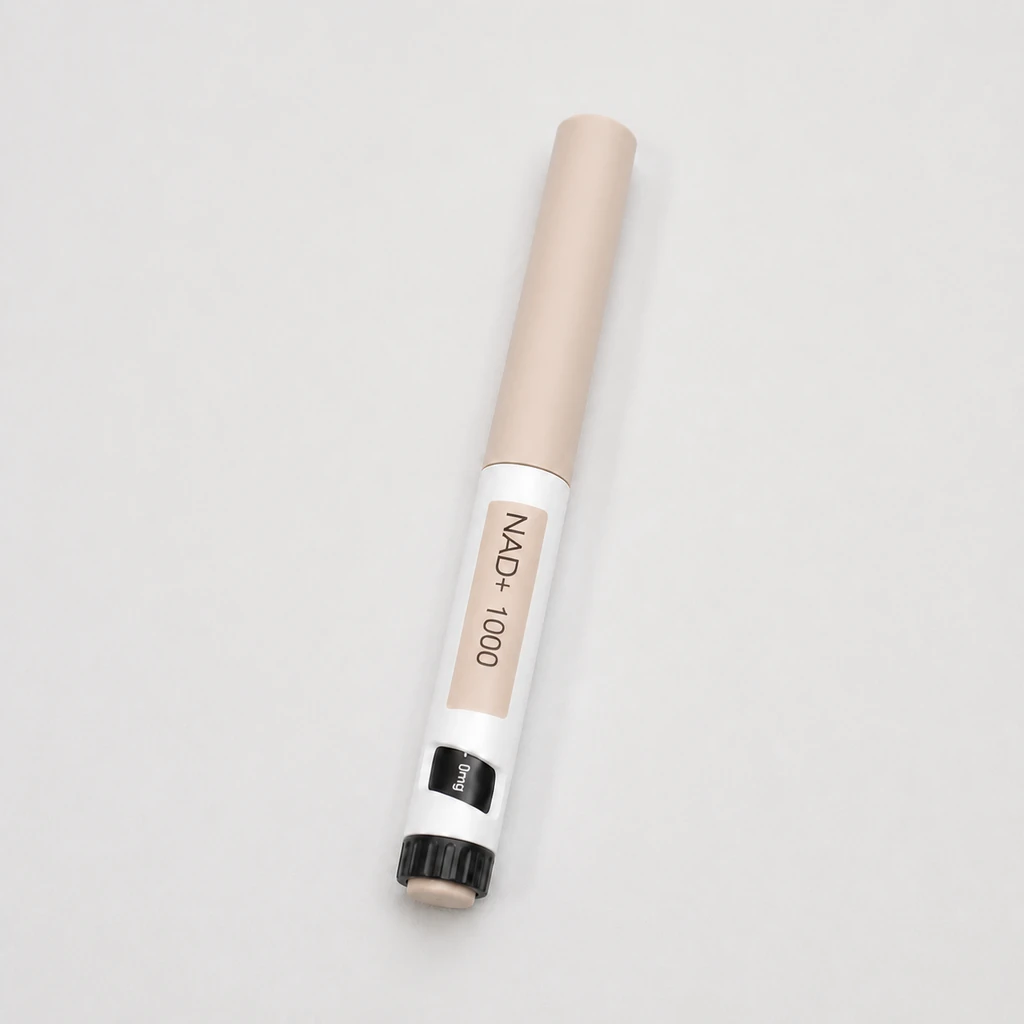
| NAD+ | 1000 mg / pen | A coenzyme presentation, distinct from NR/NMN supplements and an IV service. |
Confirm your Bali order
For Canggu, Berawa, Pererenan, Umalas, Seminyak or Uluwatu, send the exact product, quantity and destination. Ask the team to confirm the delivery arrangements for that address before relying on a proposed time.
View all pen formats · Ask about the exact product on WhatsApp
Sources and further reading
Prepared with AI assistance and checked against the linked sources. No licensed medical review is claimed.